Blog

  • How to Increase Your Home Value Before You Sell

    How to Increase Your Home Value Before You Sell

    When people hear the words “increase home value,” their minds often jump to big, exciting renovation projects. It is worth remembering that while improvements can absolutely raise what a home is worth, not every project earns back what it costs. The smartest pre-sale spending is targeted, not extravagant. Here is where your effort and money tend to go furthest before you sell.

    Start with the high-impact basics

    The improvements with the best return are usually the least glamorous. A fresh, neutral coat of paint, thorough decluttering, deep cleaning, and minor repairs cost relatively little and transform how a home shows. Buyers form an impression quickly, and a home that looks cared-for and move-in ready almost always outperforms one that needs imagining. Before spending on anything major, make sure the fundamentals are handled.

    Lift the curb appeal

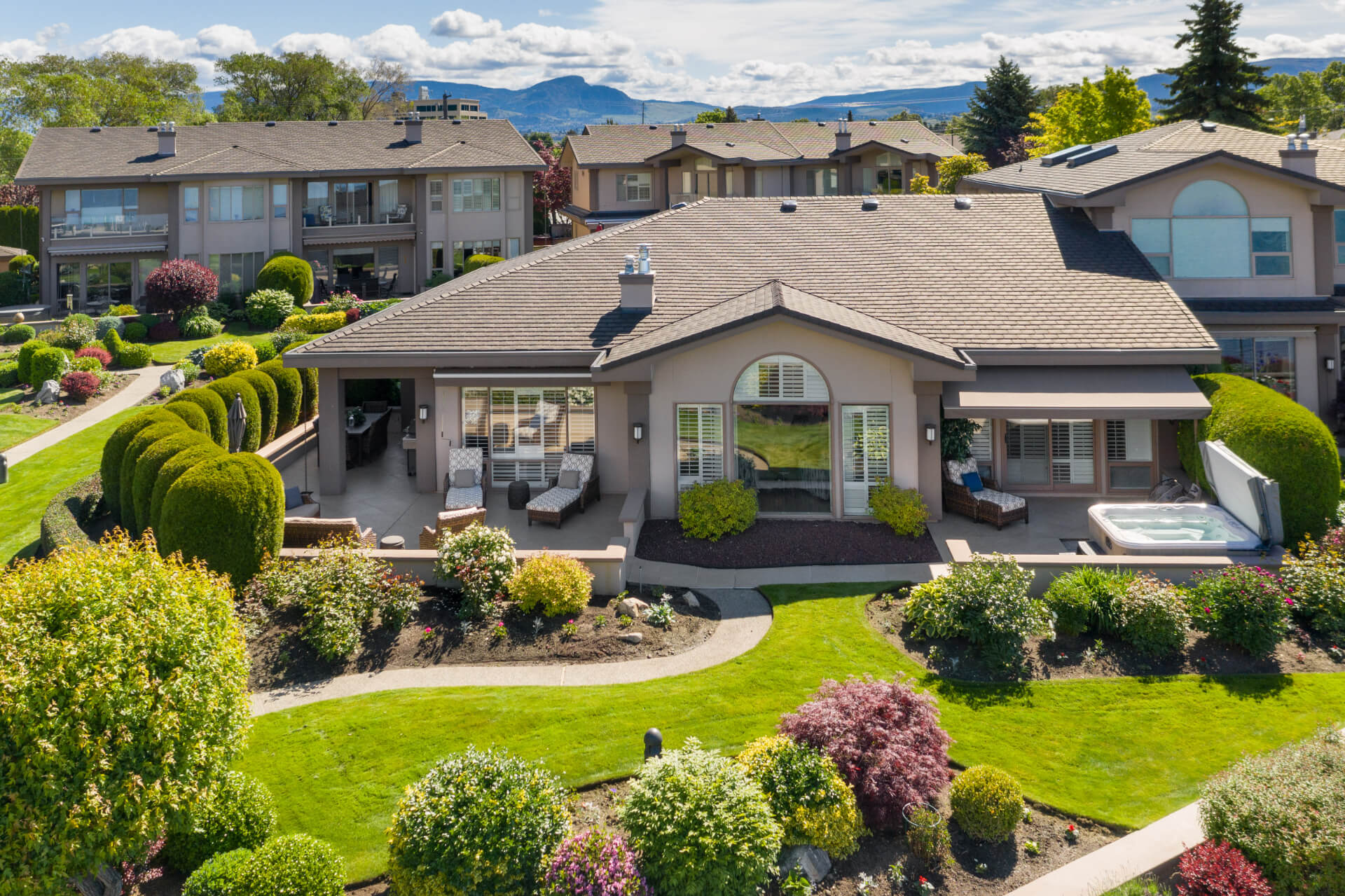
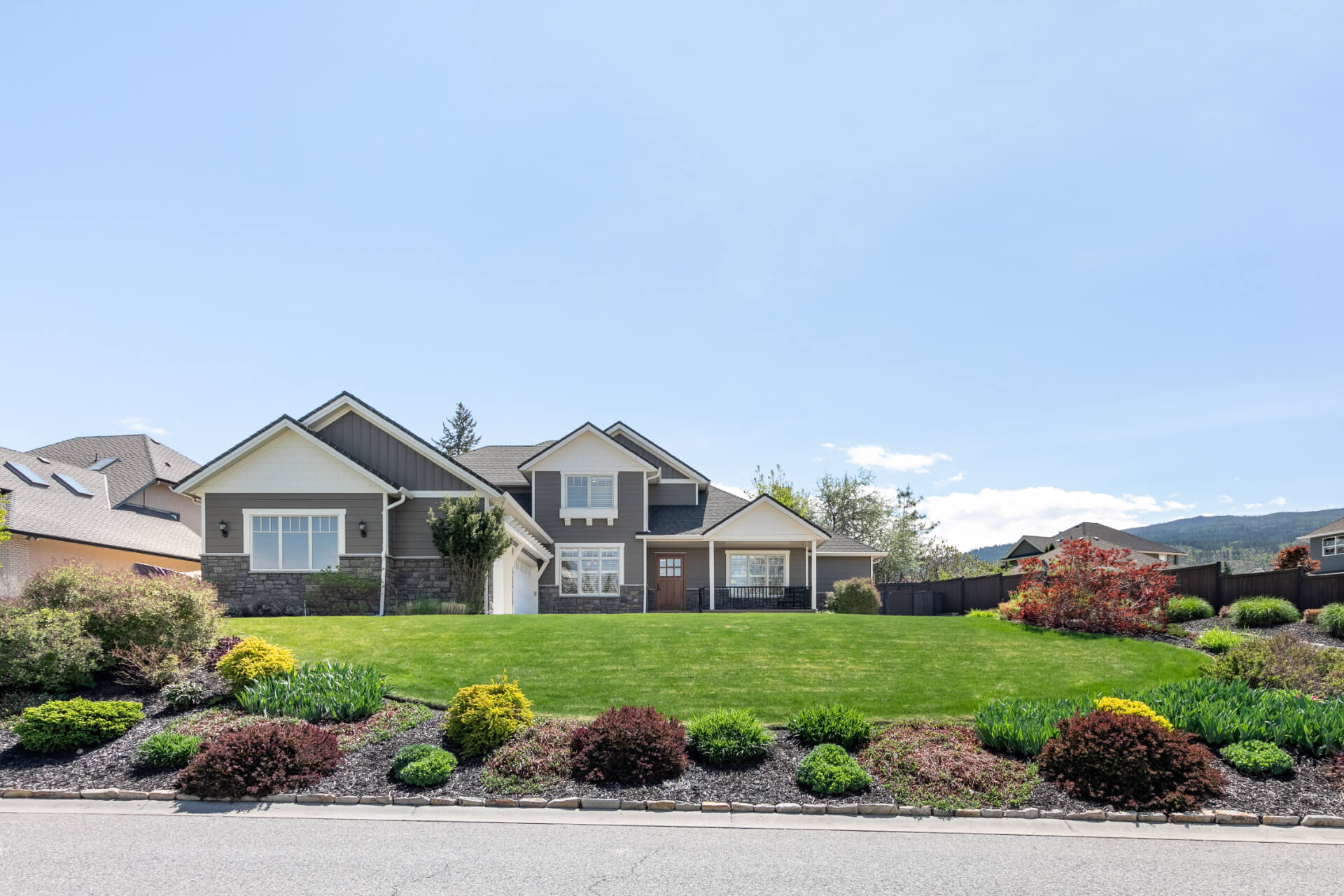
    First impressions begin at the curb. Tidy landscaping, a clean entry, fresh mulch, and a well-kept exterior set the tone before a buyer steps inside. These are modest investments that shape how everything that follows is perceived. In a setting like the Okanagan, where outdoor living is part of the appeal, a welcoming exterior does real work.

    Be strategic about kitchens and bathrooms

    Kitchens and bathrooms sell homes, but that does not mean a full gut renovation is the answer. Targeted updates, such as new hardware, modern fixtures, refreshed paint, or refinished surfaces, often deliver far better value than a complete tear-out. The goal before selling is to present clean, current, appealing spaces, not to build your dream kitchen for the next owner. Spend where buyers will notice, and stop before you over-improve.

    Consider efficiency and comfort upgrades

    Buyers increasingly factor running costs and comfort into what they will pay, so sensible efficiency improvements can add appeal as well as value. Better insulation, an efficient heating system, and similar upgrades overlap with good seasonal maintenance, as we cover in winterizing your Okanagan home, and they fit the broader move toward more efficient homes we discuss in is your home future ready.

    Know what not to do

    Just as important is avoiding improvements that will not pay off. Highly personal choices, over-improving beyond the neighbourhood, or expensive projects buyers do not value can cost more than they return. The right move depends on your specific home and the local market, which is exactly the kind of question we help sellers think through. To understand where your home stands today, see what is your home worth, and when you are ready to prepare it for the market, our guide to preparing your home for sale and our seller services walk you through it.

    Frequently asked questions

    What adds the most value to a home before selling?

    Usually the basics: fresh neutral paint, decluttering, deep cleaning, minor repairs, and curb appeal. They cost little and have an outsized effect on how a home shows and what buyers will offer.

    Is it worth renovating before selling?

    Targeted updates often are; full renovations frequently are not. The aim is to present clean, current, move-in-ready spaces, not to over-improve beyond what your home and neighbourhood support.

    Do energy-efficient upgrades increase home value?

    They can help, since buyers increasingly value lower running costs and comfort. As with any improvement, the return depends on the upgrade, your home, and the local market.

    Increasing your home’s value before a sale is about spending wisely, not spending big. If you would like a candid, no-pressure read on which improvements are worth making for your home, we are glad to help you prioritize.

  • Should I Buy a House? How to Know If You Are Ready

    Should I Buy a House? How to Know If You Are Ready

    Should I buy a house? It is the right question to sit with, and the honest answer is that readiness matters more than timing. There is rarely a perfect moment in the market, but there is a clear point at which buying makes sense for you. Here is how to tell whether you are there.

    Are your finances ready?

    Three things tell you most: a stable income, manageable debt, and enough saved for a down payment plus closing costs. In Canada the minimum down payment is 5 percent on the first 500,000 dollars of a home’s price, 10 percent on the portion between 500,000 and one million, and 20 percent on a home over one million, per CMHC. Budget for closing costs on top, including BC’s Property Transfer Tax. If you are a first-time buyer, there are real savings to use; we cover them in our guide for the first-time home buyer in BC.

    How long do you plan to stay?

    Buying makes the most sense when you plan to stay put for a while, generally several years, because the costs of buying and selling take time to absorb. If your life is likely to change soon, in work or family, renting can be the smarter financial choice for now. There is no shame in waiting until the timing fits your life.

    What about the market?

    People often wait for the “perfect” market and miss good homes in the process. A balanced market, like the one Kelowna has seen recently, actually favours a prepared buyer: more choice, time to decide, and room to negotiate. The market matters less than your own readiness, but it is worth understanding; see our Kelowna real estate market update and our take on whether now is a good time to buy.

    Getting ready to buy

    Once the basics are in place, the practical next steps are getting a mortgage pre-approval so you know your budget and your rate, building a small buffer for the unexpected, and finding an agent who will be honest with you rather than rushing you. From there, browsing current Kelowna listings and seeing homes in person turns the question from abstract to concrete. Our buyer services explain how we guide you through it.

    Frequently asked questions

    How much do I need for a down payment?

    At minimum, 5 percent on the first 500,000 dollars, 10 percent on the portion up to one million, and 20 percent above one million, plus closing costs. A larger down payment lowers your monthly cost.

    Is it better to buy or rent?

    It depends on how long you plan to stay and how stable your situation is. Buying rewards staying put for several years; renting can be smarter if your life is likely to change soon.

    Should I wait for prices to drop?

    Timing the bottom is difficult, and waiting often costs you good homes and the rate you can secure today. Readiness is the better signal than a market call.

    If you are weighing the decision, we are happy to talk it through honestly, with no pressure either way. The right move is the one that fits your life, not the headlines.

  • How to Choose a Realtor: What to Look For

    How to Choose a Realtor: What to Look For

    Choosing a realtor is one of the most important decisions you make when buying or selling, and the agents available to you are not interchangeable. The right one can make the process smoother, less stressful, and more profitable; the wrong one can cost you in ways that are hard to see until it is too late. Here is what to look for.

    Local knowledge that goes beyond the listing

    Real estate is local, and so is genuine expertise. An agent who knows the specific neighbourhoods, the micro-markets, and how homes actually sell in your area will price and position your home, or read a home you want to buy, far better than someone working from general knowledge. Ask how well they know the part of the Central Okanagan you care about, and listen for specifics rather than slogans.

    Communication and availability

    Most frustration in a transaction comes from feeling left in the dark. Before you hire anyone, get a clear sense of how they communicate and how often, and whether they are reachable when you need them, including evenings and weekends when real estate tends to happen. Clarity reduces stress, and a good agent treats keeping you informed as part of the job, not a favour.

    A track record and real references

    Experience matters, but so does evidence. Ask about recent results in your price range and area, and look at what past clients say. Independent reviews tell you more than any pitch; you can read ours on our reviews page. A pattern of happy clients over time is one of the most reliable signals you will find.

    Marketing, if you are selling

    If you are selling, how your home is marketed directly affects who sees it and what they offer. Ask what a prospective agent actually does: professional photography, the platforms they use, and how they create early interest before a home hits the market. Presentation is not a nice-to-have, it is how you reach the buyers who will pay the most.

    Negotiation and the team behind them

    When offers come, skilled negotiation protects your price and your terms, and that is where experience earns its fee. It also helps to know who is behind the agent. A full-service team with dedicated support means there is always someone available and details are less likely to slip, compared with a single agent stretched across every task.

    Fit and trust

    Finally, trust your read of the person. You will work closely with this agent through a significant financial and emotional decision, so you want someone who listens, gives you honest advice even when it is not what you hoped to hear, and treats your goals as the priority. Before you commit, it is worth knowing the right questions to ask a realtor, and our real estate services explain how we work.

    Frequently asked questions

    Is hiring a realtor worth it?

    For most people, yes. A skilled agent helps you price, market, and negotiate, and guides you through the paperwork and pitfalls of one of your largest financial decisions. The value shows up in both the outcome and the experience.

    What is the most important thing to look for in a realtor?

    Local expertise paired with honest communication. An agent who truly knows your market and keeps you informed will serve you better than one who is simply well known.

    How do I check a realtor’s track record?

    Ask about recent results in your area and price range, and read independent client reviews. A consistent history of satisfied clients is the clearest signal of how they work.

    The right agent is the one who knows your market, communicates honestly, and puts your goals first. If you would like to see whether we are that fit for you, we are glad to talk, with no obligation.

  • Strata Fees in BC: What They Cover and Why You Pay Them

    Strata Fees in BC: What They Cover and Why You Pay Them

    If you are looking at a condo or townhome in Kelowna, strata fees are usually the first thing that gives buyers pause. The good news is they are simpler than they look. Strata fees are the monthly amount every owner in a strata pays to run and maintain the building and the shared property, and understanding what they cover tells you a great deal about how well a building is run. Here is what you are paying for, how the fee is set, and what to look at before you buy.

    What are strata fees?

    When you buy a condo, townhome, or any home in a strata, you own your unit plus a shared interest in the common property: the roof, hallways, elevators, parking, landscaping, and amenities. Strata fees are how all the owners share the cost of running and maintaining that common property. They are set by the strata corporation, collected monthly, and governed by BC’s Strata Property Act.

    What strata fees cover

    Your fee is split between two funds, and the difference matters when you are judging a building.

    The operating fund pays for the regular, recurring costs: utilities for the common areas, landscaping, cleaning, minor maintenance, professional management, and the strata’s insurance. These are the expenses that come up once a year or more often.

    The contingency reserve fund, or CRF, is the building’s savings account for the large, infrequent costs: replacing a roof, upgrading an elevator, or repaving the parking area. Under the Strata Property Act, since November 2023 a strata must contribute at least 10 percent of its annual operating budget to the CRF each year. A healthy reserve is one of the clearest signs of a well-run building.

    How strata fees are calculated

    Your share is almost always based on unit entitlement, which is usually tied to the size of your unit relative to the rest of the building. A larger unit generally pays a larger share of the total budget. The strata sets its annual budget, then divides it among the owners, which is why your fee can change from year to year as costs change.

    What makes strata fees higher or lower

    Two buildings on the same street can have very different fees, and the number alone does not tell you whether a building is a good buy. Higher fees often come with more amenities, such as a pool, gym, or concierge, with older buildings that need more upkeep, or, importantly, with a strata that is properly funding its reserve. A very low fee is not always a bargain. It can mean deferred maintenance and a special levy waiting around the corner.

    Special levies and the depreciation report

    When a major expense outruns the reserve fund, a strata can raise a special levy, a one-time charge on top of the regular fee, approved by a three-quarters vote of the owners. The best way to see one coming is the depreciation report, which estimates the building’s repair and replacement costs over a 30-year horizon. Reading it, alongside the strata’s financial statements and recent meeting minutes, tells you whether the fees are realistic or whether a levy is likely.

    What to check before you buy a condo

    Before you commit, we review the strata documents with you: the budget and financial statements, the contingency reserve balance, the depreciation report, recent meeting minutes, and the insurance and bylaws. The goal is simple: to confirm the fee reflects a building that is genuinely being maintained, so there are no expensive surprises after you move in. If you are weighing options, you can start with what is available among Kelowna condos for sale, and if you are still deciding whether buying is the right move, our note on whether to buy a house walks through it.

    Frequently asked questions

    Are strata fees mandatory?

    Yes. If you own a home in a strata, paying the fee is a legal obligation under the Strata Property Act. It funds the maintenance and insurance the whole building depends on.

    What is a good strata fee?

    There is no single right number. A fair fee fully funds both the operating costs and a healthy contingency reserve for the building’s age and amenities. A fee that looks low but leaves the reserve underfunded is usually a warning, not a deal.

    Can strata fees go up?

    Yes. The strata sets a new budget each year, so fees can rise as costs like insurance and maintenance increase. A building with a well-funded reserve tends to see steadier fees and fewer special levies.

    What is a special levy?

    A special levy is a one-time charge on owners for a specific large expense the reserve fund cannot cover. It requires a three-quarters vote and is usually shared the same way as the regular fees.

    Strata fees are not a reason to avoid condo living. They are simply the cost of shared ownership, and a well-funded strata protects your investment. If you would like help reading a building’s strata documents before you make an offer, we are glad to walk through them with you.

  • What Is My Home Worth? How to Value Your Kelowna Home

    What Is My Home Worth? How to Value Your Kelowna Home

    What is my home worth? It is the first question most homeowners ask, whether you are thinking of selling, refinancing, or just curious. The honest answer is that your home is worth what a willing buyer will pay for it today, and getting to that number takes more than a quick online estimate. Here is how home value is actually determined.

    Market value is what a buyer will pay now

    Your home’s market value is the price a buyer would reasonably pay in current conditions. It is not a fixed number; it moves with the market, the season, and the state of your specific home. That is why a value from last year, or a generic online figure, can be well off. For the conditions behind today’s values, see our Kelowna real estate market update.

    How value is determined

    The reliable method is a comparative market analysis, which looks at what similar homes in your area have actually sold for recently, then adjusts for the differences between those homes and yours. Recent comparable sales are the foundation, because they reflect what real buyers have paid, not what sellers hoped to get. The closer and more recent the comparables, the more accurate the picture.

    What affects your home’s value

    Several factors move the number: location and neighbourhood, the size and layout of the home, its condition and any upgrades, and the current balance of buyers and listings. A renovated kitchen, a desirable street, or a lake view can lift value well beyond a generic estimate, while deferred maintenance pulls it down. These are exactly the details a mass online estimate cannot see.

    Assessed value is not market value

    Many homeowners reach for their BC Assessment notice, but that figure is built to allocate property taxes, reflects a dated valuation, and often misses what makes your home individual. It is a poor guide to what your home would sell for today. We explain the difference in full in assessed value vs market value.

    Getting an accurate number

    Online estimators are a fine starting point for a ballpark, but they cannot account for your home’s condition, upgrades, or the nuances of your street. A proper comparative market analysis from someone who knows your neighbourhood is the accurate way to know where you stand, and it is the first step we take with any seller. If a sale is on your mind, pair it with our guide to preparing your home for sale, and our seller services explain how we approach it.

    Frequently asked questions

    How do I find out what my home is worth?

    The accurate way is a comparative market analysis based on recent comparable sales in your area, adjusted for your home’s specifics. Online estimates give a rough starting point but miss condition, upgrades, and neighbourhood nuance.

    Is my home worth its assessed value?

    Not necessarily. The assessed value is a tax figure based on a dated valuation and mass appraisal, and it often differs from what your home would sell for today.

    Are online home value estimates accurate?

    They are useful for a ballpark but not for a decision. They cannot see your home’s condition or upgrades, so they can be well off in either direction.

    Knowing your home’s true market value is the foundation of any good decision about selling. If you would like a current, honest assessment of what your home would sell for, we are glad to prepare one for you.

  • Should You Get a Pre-Listing Home Inspection?

    Should You Get a Pre-Listing Home Inspection?

    If you are listing your home, a pre-listing inspection is one of the quieter decisions that can save you money and stress. It means hiring a home inspector before you list, rather than waiting for the buyer’s inspection after an offer. Here is when it makes sense and what it does for you.

    What a pre-listing inspection is

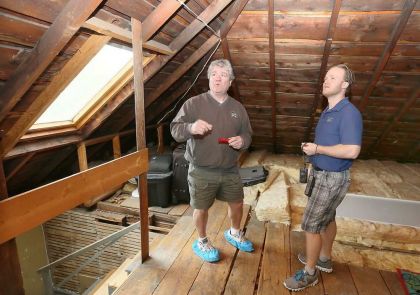
    It is the same inspection a buyer would arrange, only you commission it first. A qualified, local inspector goes through the home and reports on its condition: the roof, the systems, the structure, and the small things that tend to surface in a buyer’s inspection. You learn what a buyer will learn, before they do.

    Why it helps

    Most deals that fall apart do so during the buyer’s inspection, when a surprise gives them a reason to renegotiate or walk away. A pre-listing inspection removes that surprise. You can fix issues on your own timeline and budget rather than under offer-deadline pressure, decide what to disclose, and price the home accurately knowing its true condition. It also signals confidence to buyers, which can support a cleaner, stronger offer.

    When it is worth it

    A pre-inspection is especially valuable for older homes, homes with systems near the end of their life, and any property where you suspect a buyer’s inspection might raise questions. For a newer or well-maintained home it may be less necessary, though the peace of mind still has value. We can help you judge whether your home is a good candidate.

    How it fits the bigger picture

    A pre-inspection works best as part of a complete preparation plan. Pair it with our guide to preparing your home for sale and the wider tips for selling for top dollar. Together, they reduce the chance of a deal unravelling and support your final price. Our seller services include guidance on whether and when to inspect.

    Frequently asked questions

    Is a pre-listing inspection worth the cost?

    For many sellers, yes. The cost is modest next to a renegotiated price or a collapsed deal, and it lets you address issues calmly before you list rather than under pressure.

    Do I have to disclose what the inspection finds?

    You have disclosure obligations regardless, and knowing the home’s condition helps you meet them accurately. Your realtor can advise on what and how to disclose.

    Will buyers still do their own inspection?

    Often yes, and that is fine. A pre-inspection does not replace theirs; it removes surprises so their inspection confirms what is already known.

    A pre-listing inspection is about selling from a position of knowledge rather than hope. If you are deciding whether it is right for your home, we are glad to give you a straight recommendation.

  • Home Staging Tips That Help Your Home Sell

    Home Staging Tips That Help Your Home Sell

    Good home staging is one of the most reliable ways to sell faster and for more, and it costs far less than most people expect. Staging is simply presenting your home so buyers can imagine living there, and it works because most buyers decide emotionally and then justify with logic. Here are practical home staging tips that make a difference, including a few rooms sellers tend to overlook.

    Declutter and depersonalize first

    Before anything else, clear the clutter and pare back the personal. Pack away excess furniture, clear the counters and surfaces, and put away family photos and collections. Buyers need room to picture their own life in the space, and a home that feels open and neutral both photographs better and shows larger. This single step does more than any decorative touch.

    Maximize light and space

    Light sells. Open the blinds, clean the windows, and add lamps to darker corners so every room feels bright. Rearranging existing furniture to open up the flow of a room can make it feel noticeably larger without spending a dollar. Neutral, well-lit, and uncluttered is the goal in every space.

    Focus on the rooms that sell

    The kitchen and the primary bedroom carry the most weight with buyers, so give them the most attention: clean, clear, and neutral, with a few simple touches that feel fresh. Bathrooms should sparkle. These are the rooms buyers remember and the ones that justify a higher offer.

    Do not forget the laundry room

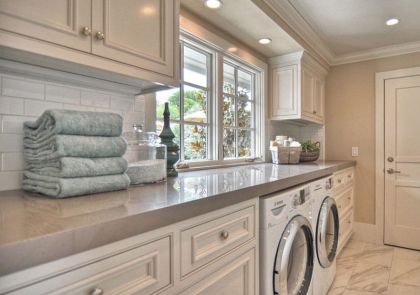
    Buyers increasingly notice the laundry room, and a tidy, functional one signals a well-cared-for home. Clear it of clutter, wipe it down, and present it as a real, usable space rather than a catch-all. It is a small effort that quietly reassures buyers, and exactly the kind of detail that sets a well-staged home apart.

    Stage the outside too

    Staging starts at the curb. Tidy the yard, trim the landscaping, and make the entry welcoming, because the first impression forms before a buyer is through the door. In the Okanagan, where the outdoor lifestyle is part of the appeal, showing patios and outdoor spaces at their best matters.

    Bring it together with the rest of your prep

    Staging works best as part of a complete plan. Pair these tips with our guide to preparing your home for sale and our broader tips for selling for top dollar, and make sure the home is show-ready before the photos are taken. Our seller services include staging guidance as part of getting your home to market.

    Frequently asked questions

    Does home staging really help sell a house?

    Yes. Staging helps buyers picture themselves in the home and makes it photograph better, which is where most buyers form their first impression. It often supports a faster sale and a stronger offer.

    What are the most important rooms to stage?

    The kitchen and primary bedroom carry the most weight, with bathrooms close behind. Do not overlook smaller spaces like the laundry room, which buyers increasingly notice.

    Do I need to spend a lot to stage my home?

    No. The most effective steps, decluttering, cleaning, maximizing light, and rearranging existing furniture, cost little or nothing. Staging is more about presentation than spending.

    A well-staged home is one of the simplest ways to improve your result. If you would like specific advice on staging your home for the Kelowna market, we are glad to walk through it with you.