Blog

  • The Best Neighbourhoods in Kelowna: Areas to Watch

    The Best Neighbourhoods in Kelowna: Areas to Watch

    The best neighbourhood in Kelowna is not always the most established one. Some of the most interesting opportunities are in areas that are growing, adding amenities, or offering value that has not fully caught up to demand. Here are some of the Kelowna neighbourhoods worth watching, and what makes each one promising.

    Black Mountain

    On Kelowna’s eastern edge, Black Mountain has grown into a popular choice for families wanting newer homes, golf, and space, often at a more approachable price than the lakeside neighbourhoods. Its steady development and community feel make it one to watch.

    The University District

    Around UBC Okanagan and the airport, the University District has become a focus of new development. The combination of a growing campus, employment, and rental demand makes it interesting for both end users and investors thinking long term.

    Downtown and Kelowna North

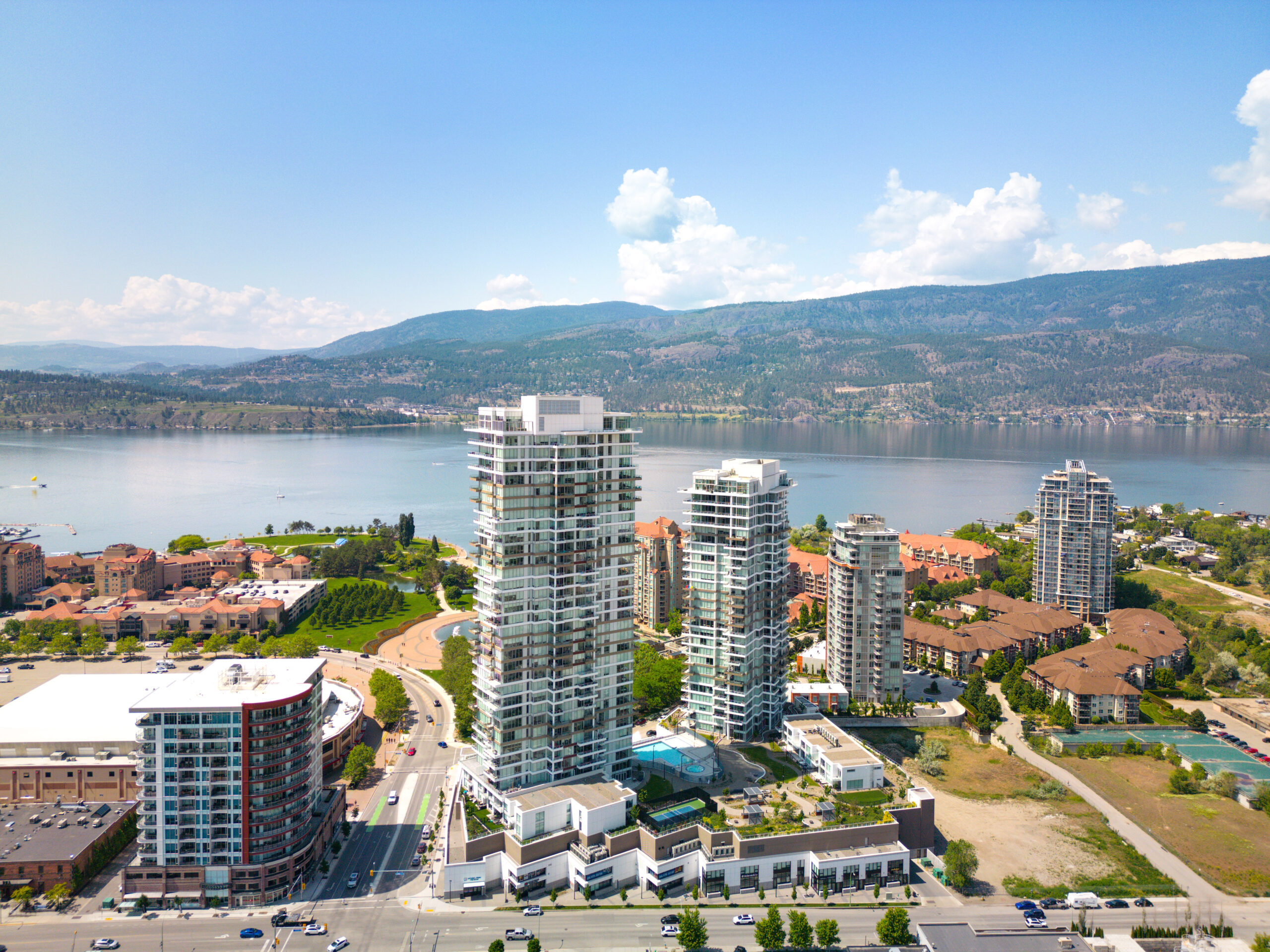
    Kelowna’s core continues to transform, with new development, restaurants, and waterfront amenities reshaping Kelowna North and the downtown. For buyers who want a walkable, urban lifestyle close to the lake, this is one of the most dynamic parts of the city.

    Glenmore and Dilworth

    Central and convenient, Glenmore and Dilworth Mountain offer established living minutes from downtown, with Dilworth’s elevation bringing views that keep it in demand. They are reliable choices that hold their appeal as the city grows around them.

    How to read an up-and-coming area

    An area worth watching usually shows a few signs: new development and amenities arriving, improving access, and prices that still lag the most established neighbourhoods. None of that guarantees anything, and conditions shift, so pair this with the current data in our Kelowna real estate market update and the detail in our living in Kelowna guides. For the established favourites, see Kelowna’s most popular neighbourhoods, and for value, the most affordable areas.

    Frequently asked questions

    What are the best up-and-coming neighbourhoods in Kelowna?

    Areas like Black Mountain, the University District, and the evolving downtown core are often cited for growth, new development, and value relative to the most established neighbourhoods.

    How do I spot a neighbourhood on the rise?

    Look for new development and amenities, improving access, and prices that still trail the established areas. Local knowledge helps separate genuine momentum from hype.

    Are up-and-coming areas a good investment?

    They can be, but nothing is guaranteed and conditions change. Treat growth signals as one input, alongside current market data and your own plans.

    The right area for you depends on your priorities and your timeline. If you would like a candid read on which Kelowna neighbourhoods fit your goals, we are glad to help.

  • BC Step Code: What It Means for Your Home in Kelowna

    BC Step Code: What It Means for Your Home in Kelowna

    If you are building, buying, or renovating in Kelowna, the BC Step Code is worth understanding, because it is quietly changing how homes here are heated and built. In short, it is the provincial framework steering new construction toward lower energy use and lower emissions, with most new homes moving away from natural gas and toward electric systems like heat pumps. Here is what it actually means for your home.

    What is the BC Step Code?

    The BC Step Code is really two related standards. The BC Energy Step Code sets rising energy-efficiency requirements for new buildings, and the newer Zero Carbon Step Code addresses the emissions a building produces, encouraging efficient electric systems over fossil fuels. Local governments adopt these steps over time, so the exact requirement depends on where you are building in the Central Okanagan.

    The 2030 and 2032 targets

    The province has set two milestones. New construction is being steered toward net-zero-energy-ready by 2032 and zero-carbon by 2030. Net-zero-ready means a home is built to be so efficient that it is ready to produce as much energy as it uses once an owner adds something like solar panels. It is a phased rollout, not a single switch, and each step tightens the standard for new homes.

    What it means for new homes

    The practical effect is a steady move away from natural gas in new construction. As the Zero Carbon Step Code is adopted, new homes increasingly use efficient electric appliances, with heat pumps becoming the default for heating and cooling rather than a gas forced-air furnace. Many new builds will not include natural gas stoves, fireplaces, or hot water tanks, depending on the step the local government has adopted. The upside for an owner is a home that is cheaper to operate and built for where the market is heading.

    What it means for older Kelowna homes

    Most homes in Kelowna today are still heated and cooled with natural gas forced-air furnaces, and nothing requires you to change that in a home you already own. The shift is happening at the margins, through renovations and choice. The cost concern that used to come with efficient systems has eased: in many homes that have switched from gas, a heat pump has produced similar or lower energy costs, and the province offers rebates through CleanBC to help owners convert. If you are renovating, it is worth pricing a heat pump before you replace a furnace like for like.

    What it means for buyers and sellers

    Energy efficiency is slowly becoming part of how homes are valued. For buyers, a more efficient home means lower monthly operating costs and a system that will not feel dated in a few years. For sellers, an efficient home, or one that has already moved to a heat pump, is an easier story to tell as buyers grow more cost-aware. We are happy to talk through how this factors into a specific home, whether you are buying or preparing to sell. For more on where BC’s home rules are heading, see our note on future-ready BC homes.

    Frequently asked questions

    Does the BC Step Code apply to my existing home?

    No. The Step Code applies to new construction and major projects, not to homes you already own. You are free to keep your current heating system, though rebates exist if you choose to upgrade.

    Will new homes in BC still have natural gas?

    Increasingly not, depending on what step your local government has adopted. The province is steering new construction toward zero carbon by 2030, which favours electric systems like heat pumps over gas for heating, hot water, and cooking.

    Are heat pumps more expensive to run than gas?

    Not necessarily. In many homes that switched from natural gas, heat pumps have delivered similar or lower energy costs, and they provide both heating and cooling, which matters in Okanagan summers.

    What does net-zero-ready mean?

    It means a home is built to be very energy efficient and is ready to become net-zero when an owner adds renewable generation such as solar panels that produce as much energy as the home uses over a year.

    The BC Step Code is not something to worry about so much as something to understand, especially if you are building or buying new. If you would like a clear read on how it affects a particular home in Kelowna, we are glad to help.

  • Airbnb Rules in BC: What the Short-Term Rental Changes Mean

    Airbnb Rules in BC: What the Short-Term Rental Changes Mean

    If you own a condo you rent on Airbnb, or you are thinking of buying one to do so, BC’s short-term rental rules changed the math. Since May 1, 2024, the province limits where short-term rentals are allowed, and Kelowna is squarely affected. Here is what the rules say and what they mean if you are buying, selling, or holding a property in the Central Okanagan.

    What changed under BC’s short-term rental rules

    Under the provincial Short-Term Rental Accommodations Act, in communities with a population over 10,000, short-term rentals (stays under 90 days, the kind listed on Airbnb or Vrbo) are limited to a host’s principal residence, plus one secondary suite or accessory dwelling on the same property. Kelowna and West Kelowna both fall under this principal residence requirement.

    In plain terms, the era of buying a condo purely to run it as a full-time short-term rental is largely over in the city. You can still short-term rent the home you actually live in, plus one extra unit on that property, but a separate investment condo you do not live in no longer qualifies in most of Kelowna.

    What is exempt

    The principal residence requirement does not apply everywhere. Exemptions include smaller communities under 10,000 people (and not within 15 kilometres of a larger one), designated mountain and destination resort areas, and certain accommodation types that were never meant to be long-term homes, such as strata-titled hotels and fractional-ownership properties. If a property’s short-term rental income matters to you, the exemption status of that specific building and location is the first thing to confirm.

    What it means if you are buying

    Do not assume a condo can be used as a short-term rental. Before you buy with that plan, check the provincial rules, the local zoning, and the strata bylaws, which can restrict short-term rentals regardless of the provincial framework. A unit in an exempt resort property is a very different proposition from a standard downtown condo, and the difference can change the investment entirely. For the broader rental and investment picture, see our Kelowna real estate market update, and if you are weighing a condo, our guide to strata fees is worth a read.

    What it means if you are selling

    If you are selling a property that was marketed on its short-term rental potential, that selling point has narrowed in most of Kelowna. Pricing and positioning should reflect the home’s value as a residence or a long-term rental rather than its old nightly-rental income. We can help you frame it for the buyers who are actually in the market now. You can see what is currently listed among Kelowna condos for sale.

    Frequently asked questions

    Can I still Airbnb my home in Kelowna?

    Generally yes, if it is your principal residence, plus one secondary suite or accessory dwelling on the same property, and your strata bylaws and local rules allow it. A separate property you do not live in usually no longer qualifies.

    Do the rules apply to all of BC?

    The principal residence requirement applies in communities over 10,000 people, which includes Kelowna and West Kelowna. Smaller communities and designated resort areas can be exempt.

    Can a strata still ban short-term rentals?

    Yes. Strata bylaws can restrict or prohibit short-term rentals independently of the provincial rules, so always check the bylaws for the specific building.

    These rules are not the end of investing in Kelowna real estate, but they do reward doing your homework on a specific property before you buy. If you would like help confirming what is and is not allowed for a home you are considering, we are glad to walk through it with you.

  • Assessed Value vs Market Value in BC: What Is the Difference?

    Assessed Value vs Market Value in BC: What Is the Difference?

    If your BC Assessment notice and your sense of what your home would sell for do not match, you are not alone, and you are not wrong. Assessed value and market value are two different numbers built for two different purposes. Understanding the difference matters whether you are buying, selling, or just opening that January envelope. Here is how they relate.

    What assessed value is

    Your assessed value comes from BC Assessment, and its job is to allocate property taxes fairly across the province, not to tell you what your home would sell for. Two details explain most of the confusion. First, the value reflects the market as of July 1 of the previous year, so the notice you receive in January is already several months behind. Second, BC Assessment uses mass appraisal, a computer-assisted method that values millions of properties by comparing characteristics and recent sales, usually without anyone visiting your home.

    What market value is

    Market value is what a willing buyer would actually pay for your home today, in current conditions. It reflects the real state of the market right now, the specific condition and upgrades of your home, and what comparable properties are selling for at this moment. It is the number that matters when you list, make an offer, or plan a move. For the conditions behind it, see our Kelowna real estate market update.

    Why the two numbers differ

    The gap is normal, and it runs in both directions. Because the assessment is dated to the previous July and built on mass appraisal, it can lag a rising or falling market by many months. It also tends to miss what makes your home individual: a renovation, a premium view, a quiet cul-de-sac, or the condition of the finishes. Those factors can move real market value well above or below the assessed figure, even though they barely register in a mass-appraisal model.

    What it means for buyers and sellers

    For sellers, do not price your home off the assessment. It is a poor guide to current value and can leave money on the table or scare off buyers, depending on which way it is off. Price to a current analysis of comparable sales instead; our guide to what your home is worth walks through it. For buyers, do not treat the assessment as a ceiling or a floor on what to offer. A home can be worth more or less than its assessed value for good reasons. Use it as one data point, not the decision.

    Frequently asked questions

    Is assessed value the same as market value?

    No. Assessed value is set by BC Assessment to allocate property taxes and reflects the market as of July 1 of the prior year. Market value is what a buyer would pay today. They often differ.

    Why is my assessment different from what my home would sell for?

    Because the assessment is dated to the previous summer and uses mass appraisal across millions of homes, it lags the current market and often misses renovations, views, and condition that affect a real sale price.

    Should I price my home based on the assessment?

    No. Price to a current comparative market analysis. The assessment is a tax figure, not a reliable guide to today’s sale price.

    Both numbers have their place, but only one tells you what your home would sell for now. If you would like a current, honest read on your home’s market value, our seller services include a comparative market analysis we are glad to prepare for you.

  • Retiring in Kelowna, BC: What to Know

    Retiring in Kelowna, BC: What to Know

    Kelowna has long been one of Canada’s favourite places to retire, and it is easy to see why. The combination of a mild climate, the lake, an active outdoor lifestyle, and a real city’s amenities makes it well suited to a comfortable, engaged retirement. Here is an honest look at what retiring in Kelowna offers, and a few things to weigh before you make the move.

    The climate and the lifestyle

    The Okanagan has one of the mildest, sunniest climates in the country, with warm summers and gentle winters by Canadian standards. For retirees, that means more of the year spent outdoors and far less snow to manage than most of the country. Golf, wineries, walking trails, and the lake itself are all close at hand, which makes it easy to stay active and social.

    Amenities and healthcare

    Kelowna is a full city, not just a resort town, so the practical needs of retirement are well covered. It has Kelowna General Hospital and a range of medical clinics, an international airport for visiting family and travel, and the shopping, dining, and arts of a regional centre. That balance of small-city ease and real amenities is part of what keeps drawing retirees here.

    An engaged community

    Retirement is more enjoyable in a community you can be part of, and Kelowna offers plenty: clubs, volunteer opportunities, cultural events, and a steady stream of newcomers in the same stage of life. Our look at who lives in Kelowna shows how the city has grown well beyond its retirement-town roots into a mix of ages and backgrounds.

    Choosing where and how to live

    Many retirees moving to Kelowna are also rightsizing their home, trading a larger family house for something easier to maintain. The neighbourhood matters as much as the home: proximity to amenities, a single-level layout, and a lock-and-leave lifestyle are common priorities. Our guide to downsizing and finding your forever home goes deeper, and our living in Kelowna guides help you compare areas.

    Things to weigh

    No place is perfect. Summers bring tourists and traffic, the most desirable areas come at a premium, and as with anywhere, it is worth confirming that the specific services you need are convenient to where you choose to live. None of this dims the appeal for most retirees, but going in clear-eyed helps you choose the right spot.

    Frequently asked questions

    Is Kelowna a good place to retire?

    For many people, yes. The mild climate, outdoor lifestyle, city amenities, and active community make it one of Canada’s most popular retirement destinations.

    What should retirees look for in a Kelowna home?

    Common priorities are a single-level or low-maintenance layout, proximity to amenities and healthcare, and a lock-and-leave lifestyle, often pointing toward condos, townhomes, or rancher-style homes.

    Where do retirees tend to live in Kelowna?

    It varies with budget and lifestyle, from walkable areas near the lake and amenities to quieter communities a little further out. Comparing neighbourhoods is the best way to find the right fit.

    Retiring to Kelowna is a wonderful new chapter, and the right home and neighbourhood make all the difference. We are glad to help you find a place that fits the life you are looking forward to.

  • Moving to Kelowna, BC: A Complete Relocation Guide

    Moving to Kelowna, BC: A Complete Relocation Guide

    Moving to Kelowna is one of the most popular relocations in the country, and for good reason: a lakeside setting, a milder climate than most of Canada, and a four-season outdoor lifestyle at prices below the coast. This guide covers what newcomers actually need: why people move here, where to live, what the market looks like, and how to settle in.

    Why people move to Kelowna

    Most people come for the lifestyle and the value. Kelowna sits on Okanagan Lake with beaches, wineries, golf, and skiing close at hand, and the climate is among the mildest and sunniest in the country. Compared with Vancouver or Calgary, your housing budget goes further here while the quality of life stays high, which is why so much of the demand comes from the Lower Mainland and Alberta. For the honest pros and cons, see whether Kelowna is a good place to live.

    The cost of living

    Housing is the cost that varies most. Kelowna is more affordable than Vancouver or Victoria, though not inexpensive by national standards, and your budget stretches differently across neighbourhoods and home types. Everyday costs like groceries, fuel, and insurance are broadly in line with the rest of BC. The most useful way to plan is by the specific area and home you are targeting rather than a city-wide average.

    Where to live in Kelowna

    Kelowna and the Central Okanagan are a patchwork of distinct neighbourhoods, from established family areas to lake communities and newer developments. The right fit depends on your stage of life, your budget, and whether you want to be near the water, the schools, or the wineries. Our living in Kelowna guides break the area down, including Lower Mission and Upper Mission, along with lake communities like Lake Country and West Kelowna.

    The housing market for newcomers

    Coming from a faster market, many newcomers are pleasantly surprised to find more balance here, with room to view a home twice and make a considered offer. Conditions vary by segment and season, so the current numbers are worth a look before you start: see our Kelowna real estate market update, and when you are ready, browse current Kelowna listings.

    Settling in

    If you are moving from outside BC, a few practical steps matter early, including enrolling in provincial health coverage and switching your driver’s licence within your first months; we cover the essentials in moving to British Columbia. It also helps to understand the community you are joining; our look at who lives in Kelowna covers the demographics. If you are relocating to retire or downsize, our guides to retiring in Kelowna and downsizing go deeper.

    Frequently asked questions

    Is Kelowna a good place to move to?

    For most people, yes. It offers a four-season lakeside lifestyle and more space for the money than the coast, with the trade-offs of a smaller city and busy summers.

    Is Kelowna cheaper than Vancouver?

    Generally yes. Housing is meaningfully more affordable than in Vancouver or Victoria, while the outdoor lifestyle is comparable.

    What do I need to do when I move to BC?

    Enroll in provincial health coverage, switch your driver’s licence within the first 90 days, and budget for closing costs like the Property Transfer Tax if you are buying. See our moving to British Columbia guide for the details.

    Relocating is a big step, and local guidance makes it smoother. We help newcomers find the right neighbourhood and the right home, with honest advice at every stage. When you are ready, we are glad to help.

  • Is It a Good Time to Buy a House?

    Is It a Good Time to Buy a House?

    Is it a good time to buy a house? It is the question every buyer wrestles with, and the honest answer is that it depends on two things: the market, and you. Waiting for a perfect market usually means missing good homes, while buying before you are ready creates its own problems. Here is how to weigh both sides.

    What the market is doing

    The market matters, but not in the way most people think. Rather than trying to call the bottom, look at the conditions you would actually be buying into. A balanced market, with healthy inventory and steadier prices, is a good one for buyers: you have choice, time to decide, and room to negotiate. A tight, fast market is harder. For the current Central Okanagan conditions, see our Kelowna real estate market update, which is refreshed each month.

    Interest rates and your budget

    For most buyers, the rate you can secure shapes affordability more than a small move in price. When rates ease, the same home costs less each month; when they climb, your budget tightens. The practical step is to get a mortgage pre-approval early, so you know the rate and payment you actually qualify for rather than guessing. That single number tells you more about timing than any forecast.

    The case against waiting for perfect

    Buyers who wait for the ideal moment tend to pay for it twice: in the good homes they pass on while waiting, and in the rate or price that often moves against them anyway. Timing the absolute bottom of a market is something even professionals rarely manage. A prepared buyer in a reasonable market usually does better than a hesitant one waiting for a signal that never quite arrives.

    Are you ready?

    This is the half of the question that matters most, and it is the one you control. Stable income, manageable debt, a down payment saved, and plans to stay put for a few years are the real green lights. If those are in place, a balanced market is a fine time to act. If they are not, waiting is the smart move, regardless of the market. Our note on whether to buy a house walks through readiness, and first-time buyers should see the programs in our first-time home buyer guide.

    So, is now a good time?

    For a prepared buyer in a balanced market, yes, more often than the headlines suggest. The better question is rarely whether the market is perfect, but whether you are ready and the home is right. When both line up, that is your moment. You can start by browsing current Kelowna listings, and our buyer services explain how we help you decide with clear eyes.

    Frequently asked questions

    Is now a good time to buy a house?

    For a financially ready buyer in a balanced market, often yes. The market matters, but your own readiness matters more. Trying to time the exact bottom usually costs more than it saves.

    Should I wait for interest rates to drop?

    Maybe, but waiting is a gamble. If rates fall, more buyers return and prices can firm up. Focus instead on the rate and payment you qualify for now, and whether they fit your budget.

    How do I know if I am ready to buy?

    Look for stable income, manageable debt, enough saved for a down payment and closing costs, and plans to stay for several years. If those are in place, the timing is largely about the home, not the calendar.

    If you would like an honest read on whether now is the right time for your situation, we are glad to talk it through, with no pressure either way.

  • Downsizing Your Home: A Guide to Your Next Chapter

    Downsizing Your Home: A Guide to Your Next Chapter

    Downsizing your home is one of the more freeing moves you can make, and one of the more emotional. Trading a larger family house for something simpler can mean less maintenance, more freedom, and a lifestyle better suited to your next chapter. Done well, it is not about giving something up; it is about choosing what matters now. Here is how to approach it.

    Why people downsize

    The reasons are usually practical and personal at once. A home that suited a growing family can become more space, cost, and upkeep than you want. Downsizing can free up equity, cut maintenance and utility costs, and open the door to a lock-and-leave lifestyle that travels well. For many, it is the move that makes retirement or a simpler life genuinely easier.

    What to look for in your next home

    The right downsized home is about fit, not just size. Single-level living or a primary bedroom on the main floor, low-maintenance landscaping, and a manageable, efficient space are common priorities. Many downsizers look to condos and townhomes for the lock-and-leave ease; if that is you, our guide to strata fees is worth reading. Location matters as much as the home: proximity to amenities, healthcare, and the lifestyle you want should guide the search, and our living in Kelowna guides help you compare areas.

    The emotional side

    Leaving a home full of memories is hard, and it is worth giving yourself time. Start early, sort room by room, and decide what genuinely fits your next life rather than trying to bring everything. Many people find that letting go of the excess is itself part of the freedom downsizing offers. Patience and a plan make the process far less overwhelming.

    Selling the family home well

    Downsizing usually means selling first, and a family home that has been lived in for years benefits from thoughtful preparation. Knowing what your home is worth and following our guide to preparing your home for sale helps you get the most from the home that funds your next one. Our seller services are built for exactly this kind of move.

    Timing the two sides

    One of the trickier parts is coordinating the sale of your current home with the purchase of the next. There are several ways to manage it depending on your finances and the market, and getting the sequence right reduces stress and risk. This is where experienced guidance pays off, so you are never caught between two homes or rushed into the wrong one.

    Frequently asked questions

    When is the right time to downsize?

    When your current home is more space, cost, or upkeep than you want, or your lifestyle has changed. There is no set age; it is about fit. Starting before you feel forced to gives you the most control.

    What should I look for when downsizing?

    Single-level or main-floor living, low maintenance, the right location near amenities, and often a lock-and-leave option like a condo or townhome. Fit matters more than simply being smaller.

    Should I sell my current home before buying the next?

    It depends on your finances and the market. Coordinating the two is the tricky part, and the right sequence reduces both stress and risk. Experienced guidance helps you plan it.

    Downsizing is a chance to design the life you want next. If you are considering it, we are glad to help you sell well and find a home that fits the chapter ahead, at whatever pace suits you.

  • First-Time Home Buyer in BC: Programs and How to Start

    First-Time Home Buyer in BC: Programs and How to Start

    Buying your first home in BC is more achievable than the headlines suggest, largely because of the programs built to help. If you are a first-time home buyer, there are tax-advantaged accounts and exemptions that can add up to a meaningful head start. Here is how they work and how to begin.

    The First Home Savings Account (FHSA)

    The First Home Savings Account is the most powerful tool for most first-time buyers. You can contribute up to 8,000 dollars per year, to a lifetime limit of 40,000 dollars. Contributions are tax-deductible like an RRSP, and qualifying withdrawals to buy your first home come out tax-free like a TFSA. It is, in effect, the best of both accounts for this one purpose.

    The RRSP Home Buyers’ Plan (HBP)

    The Home Buyers’ Plan lets you withdraw up to 60,000 dollars from your RRSP tax-free toward a first home, and a couple who each have an RRSP can withdraw up to 120,000 dollars combined. You repay it to your RRSP over 15 years. Used alongside the FHSA, a couple can access a substantial tax-advantaged down payment between the two programs.

    The BC Property Transfer Tax exemption

    BC charges a Property Transfer Tax on most purchases, but qualifying first-time buyers can receive a full or partial exemption, which is one of the most valuable provincial breaks available. Eligibility includes a “never owned a home anywhere” test and price thresholds, so confirm the current rules on the Province of BC page before you count on it.

    How much you need to start

    In Canada the minimum down payment is 5 percent on the first 500,000 dollars of the price, 10 percent on the portion up to one million, and 20 percent above one million. You do not need 20 percent to buy your first home, which surprises many first-time buyers. For how to judge your readiness beyond the down payment, see should I buy a house and whether now is a good time to buy.

    Your first steps

    Open an FHSA early, even with small contributions, so the account is established when you need it. Get a mortgage pre-approval to learn your real budget and rate. Then start seeing homes, because nothing clarifies the decision like the real thing. When you are ready, browse current Kelowna listings, and our buyer services explain how we guide first-time buyers through it.

    Frequently asked questions

    How much can a first-time buyer save with these programs?

    Between the FHSA (up to 40,000 dollars lifetime) and the RRSP Home Buyers’ Plan (up to 60,000 dollars each), a couple can direct a large, tax-advantaged sum toward a first home, on top of the BC Property Transfer Tax exemption.

    Do I really not need 20 percent down?

    Correct. The minimum is 5 percent on the first 500,000 dollars of the price, with mortgage insurance required below 20 percent down. Many first-time buyers purchase with far less than 20 percent.

    Can I use the FHSA and the Home Buyers’ Plan together?

    Yes. The two programs can be combined for the same first-home purchase, which is what makes them so effective when used together.

    The programs reward starting early, even in small steps. If you are thinking about your first home in Kelowna, we are glad to help you build a plan and move forward with confidence.

  • How to Winterize Your Okanagan Home

    How to Winterize Your Okanagan Home

    When the leaves turn and a crisp freshness settles over the valley, winter is not far behind. A little preparation now protects your home through the colder months and keeps your utility bills in check. The good news is that winterizing a home does not have to be complicated. A few sensible steps make your home warmer, greener, and more economical through the season. Here is how to approach it.

    Start with an efficient heating system

    The cornerstone of a winter-ready home is a heating system that runs well. Schedule an annual tune-up for your furnace and hot water heater, including a thorough inspection, cleaning, and filter change. This often-overlooked step keeps your systems operating at peak efficiency, burning cleaner and using less energy. A well-maintained system also tends to last longer and is far less likely to fail on the coldest night of the year.

    Insulate your hot water heater and pipes

    Insulating your hot water heater and any exposed pipes is one of the simplest ways to trim your energy use. Wrapping the tank and the first stretch of pipe reduces standing heat loss, and paired with a modest thermostat adjustment it can add up to real savings over a winter. It is an inexpensive, one-time job that quietly pays for itself.

    Take control with a programmable thermostat

    A programmable or smart thermostat lets you heat your home around your actual schedule rather than around the clock. Lower the temperature while you are asleep or away and have it warm up before you wake or return, all without thinking about it. Just as you manage cooling in the summer, automating your heating settings is one of the easiest ways to cut costs without giving up comfort.

    Seal leaks and add insulation

    Retaining the warmth you have created matters as much as generating it. Air leakage around doors, windows, and other gaps is one of the largest sources of heat loss in a typical home through the winter. Two steps make a real difference: install weather-stripping around doors and windows and re-caulk where the seal has failed, and add insulation in your attic and crawl spaces where heat quietly escapes. If you want a greener approach, look into cotton, cellulose, or other eco-friendly insulating products. These improvements also tend to make a home more appealing when it comes time to sell, as we cover in our guide to increasing your home value before you sell.

    Think about the bigger efficiency picture

    Winterizing is the seasonal version of a larger trend toward more efficient homes, and the standards are evolving. If you are planning upgrades or buying, it is worth understanding where things are heading, which we explore in is your home future ready. Comfort, lower bills, and a smaller footprint tend to come as a package, and the Okanagan lifestyle is easier to enjoy from a home that handles the seasons well. Our living in Kelowna guides offer more on settling into life in the valley.

    Frequently asked questions

    How do I winterize my home?

    Start with a furnace and hot water heater tune-up, insulate the tank and exposed pipes, fit a programmable thermostat, and seal air leaks with weather-stripping and fresh caulking. Adding attic and crawl-space insulation tops it off.

    When should I winterize my home in the Okanagan?

    Through the fall, before the first real cold sets in. Booking your heating tune-up early in the season also means easier scheduling and a system you can rely on once temperatures drop.

    Does winterizing actually save money?

    Yes. A well-maintained heating system, insulated water heater and pipes, a programmable thermostat, and sealed leaks all reduce the energy needed to keep your home comfortable, which shows up on your bills through the winter.

    A winter-ready home is warmer, cheaper to run, and gentler on the environment, and getting there takes only a weekend of sensible steps. Stay warm, and enjoy the season knowing your home is ready for it.