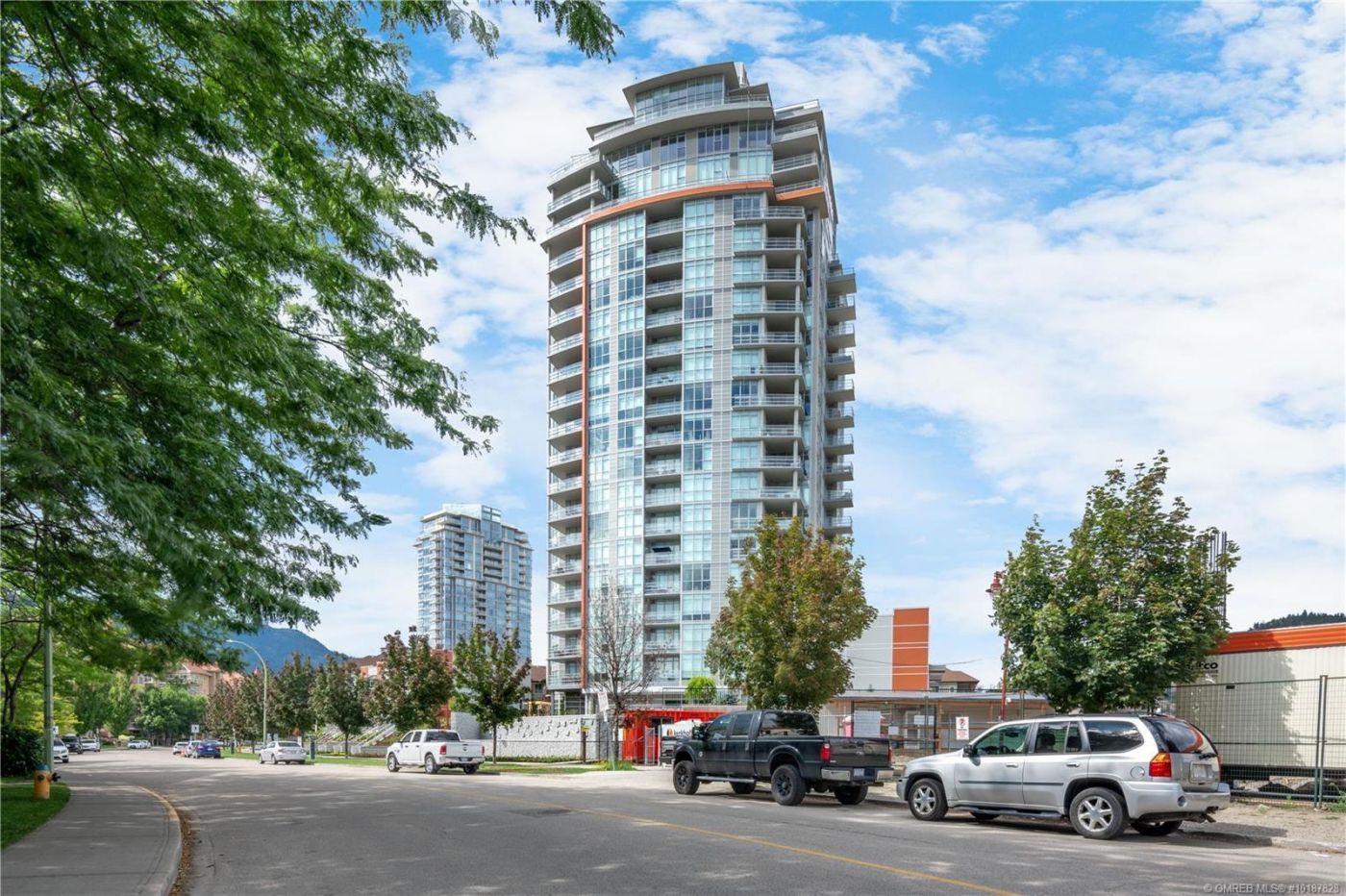
If you are looking at a condo or townhome in Kelowna, strata fees are usually the first thing that gives buyers pause. The good news is they are simpler than they look. Strata fees are the monthly amount every owner in a strata pays to run and maintain the building and the shared property, and understanding what they cover tells you a great deal about how well a building is run. Here is what you are paying for, how the fee is set, and what to look at before you buy.
What are strata fees?
When you buy a condo, townhome, or any home in a strata, you own your unit plus a shared interest in the common property: the roof, hallways, elevators, parking, landscaping, and amenities. Strata fees are how all the owners share the cost of running and maintaining that common property. They are set by the strata corporation, collected monthly, and governed by BC’s Strata Property Act.
What strata fees cover
Your fee is split between two funds, and the difference matters when you are judging a building.
The operating fund pays for the regular, recurring costs: utilities for the common areas, landscaping, cleaning, minor maintenance, professional management, and the strata’s insurance. These are the expenses that come up once a year or more often.
The contingency reserve fund, or CRF, is the building’s savings account for the large, infrequent costs: replacing a roof, upgrading an elevator, or repaving the parking area. Under the Strata Property Act, since November 2023 a strata must contribute at least 10 percent of its annual operating budget to the CRF each year. A healthy reserve is one of the clearest signs of a well-run building.
How strata fees are calculated
Your share is almost always based on unit entitlement, which is usually tied to the size of your unit relative to the rest of the building. A larger unit generally pays a larger share of the total budget. The strata sets its annual budget, then divides it among the owners, which is why your fee can change from year to year as costs change.
What makes strata fees higher or lower
Two buildings on the same street can have very different fees, and the number alone does not tell you whether a building is a good buy. Higher fees often come with more amenities, such as a pool, gym, or concierge, with older buildings that need more upkeep, or, importantly, with a strata that is properly funding its reserve. A very low fee is not always a bargain. It can mean deferred maintenance and a special levy waiting around the corner.
Special levies and the depreciation report
When a major expense outruns the reserve fund, a strata can raise a special levy, a one-time charge on top of the regular fee, approved by a three-quarters vote of the owners. The best way to see one coming is the depreciation report, which estimates the building’s repair and replacement costs over a 30-year horizon. Reading it, alongside the strata’s financial statements and recent meeting minutes, tells you whether the fees are realistic or whether a levy is likely.
What to check before you buy a condo
Before you commit, we review the strata documents with you: the budget and financial statements, the contingency reserve balance, the depreciation report, recent meeting minutes, and the insurance and bylaws. The goal is simple: to confirm the fee reflects a building that is genuinely being maintained, so there are no expensive surprises after you move in. If you are weighing options, you can start with what is available among Kelowna condos for sale, and if you are still deciding whether buying is the right move, our note on whether to buy a house walks through it.
Frequently asked questions
Yes. If you own a home in a strata, paying the fee is a legal obligation under the Strata Property Act. It funds the maintenance and insurance the whole building depends on.
There is no single right number. A fair fee fully funds both the operating costs and a healthy contingency reserve for the building’s age and amenities. A fee that looks low but leaves the reserve underfunded is usually a warning, not a deal.
Yes. The strata sets a new budget each year, so fees can rise as costs like insurance and maintenance increase. A building with a well-funded reserve tends to see steadier fees and fewer special levies.
A special levy is a one-time charge on owners for a specific large expense the reserve fund cannot cover. It requires a three-quarters vote and is usually shared the same way as the regular fees.
Strata fees are not a reason to avoid condo living. They are simply the cost of shared ownership, and a well-funded strata protects your investment. If you would like help reading a building’s strata documents before you make an offer, we are glad to walk through them with you.