Category: Living in Kelowna

Life in Kelowna and the Okanagan, from community and lifestyle to homeowner tips and the BC regulation changes that affect your property. Local knowledge to help you get the most from living here.

  • Kelowna Neighbourhoods: A Guide to the Most Popular Areas

    Kelowna Neighbourhoods: A Guide to the Most Popular Areas

    One of the first things newcomers learn about Kelowna is that it is really a collection of distinct neighbourhoods, each with its own character, price range, and pace. Knowing the popular areas, and what makes each one sought after, is the fastest way to narrow your search. Here is a guide to some of Kelowna’s most popular neighbourhoods and who they suit.

    Lower Mission

    Lower Mission is one of Kelowna’s most established and consistently in-demand areas, prized for its beaches, mature streets, schools, and easy access to the lake. It tends to sit at the higher end of the market for that reason, and it remains a favourite for families and those who want to be close to the water. See more on Lower Mission.

    Upper Mission and Kettle Valley

    Up the hill, Upper Mission and the village-style community of Kettle Valley draw families and move-up buyers with newer homes, views, and a strong community feel. These areas have grown quickly as the city has expanded southward.

    Wilden and Glenmore

    Closer to the centre, Glenmore offers established family living minutes from downtown, while Wilden appeals to buyers who want newer homes set against nature on the city’s north side. Both balance convenience with a quieter setting.

    Beyond the city

    Demand is not limited to Kelowna proper. Lake Country to the north has been one of the fastest-growing communities in the region, offering lake access and newer development a short drive from the airport. It is a good example of how the popular map keeps expanding as the area grows.

    How to choose

    The “hottest” neighbourhood is less important than the right one for you, which comes down to your budget, your stage of life, and whether you value the lake, the schools, or a shorter commute. Conditions and prices also shift between areas and over time, so check the current picture in our Kelowna real estate market update, and compare areas through our living in Kelowna guides. If affordability is the priority, see our look at the most affordable neighbourhoods, and for emerging areas, the neighbourhoods to watch.

    Frequently asked questions

    What is the most popular neighbourhood in Kelowna?

    Lower Mission is among the most consistently sought after for its beaches, schools, and lake access, though Upper Mission, Kettle Valley, and Glenmore are all popular for different reasons.

    Which Kelowna neighbourhood is best for families?

    Family buyers often look to Lower Mission, Upper Mission, Kettle Valley, and Glenmore for their schools, parks, and community feel. The right fit depends on budget and location preferences.

    Where is the fastest growth in the region?

    Areas like Lake Country and the southern parts of Kelowna have grown quickly as the city expands, adding newer homes and communities.

    Every neighbourhood here has its own appeal, and the best way to find yours is to know the area before you start. We are glad to help you match the right neighbourhood to what you are looking for.
  • Mortgage Renewal in Canada: What Every Homeowner Should Know

    Mortgage Renewal in Canada: What Every Homeowner Should Know

    When your mortgage comes up for renewal, the easiest thing to do is sign the offer your bank mails you. It is also usually the most expensive. A renewal is a real decision, and a recent rule change has made it easier than ever to act on it. Here is what every homeowner should know before they renew.

    Your renewal is a decision, not a formality

    The rate your current lender offers at renewal is rarely its best rate. Lenders count on the fact that most people simply sign and move on. A small difference in rate adds up to thousands of dollars over a term on a typical mortgage, so the few hours it takes to compare your options is some of the best-paid work you will do all year.

    Switching lenders is easier now

    As of late 2024, federally regulated lenders are no longer required to apply the mortgage stress test when you move an existing mortgage to a new lender on a straight switch at renewal, meaning you keep the same balance and amortization and are not borrowing more. In practice, that removes a barrier that used to trap people with their current lender, and it gives you real leverage to shop. The Financial Consumer Agency of Canada has clear, current guidance on the renewal process. Note that if you want to borrow more or extend your amortization, that counts as a refinance, where the stress test still applies.

    Your options at renewal

    You generally have three. You can renew with your current lender, ideally after negotiating against a better offer you have found elsewhere. You can switch lenders for a stronger rate or terms. Or, if your needs have changed, you can refinance to access equity or adjust your amortization. Which is right depends on your goals: lower payments, more flexibility, or freeing up equity for a renovation or a move.

    Why the timing matters now

    A large share of Canadian mortgages are renewing over the next couple of years, many of them taken out when rates were far lower. If that is you, your new payment may be higher than your old one, which makes getting the best available rate and structure more important, not less. Going in informed is how you soften that adjustment.

    How to renew well

    Start early, ideally around four months before your renewal date, so you have time to compare rather than react to a deadline. Treat the first offer as a starting point, not the answer. A good mortgage broker can compare many lenders on your behalf at no cost to you, since the lender pays their fee; we work with trusted local professionals like Alex McFayden of Flow Mortgage who do exactly this. And use the moment to ask a bigger question: does this home still fit your life? A renewal is a natural time to consider whether to stay, renovate, or move. If a move is on your mind, knowing what your home is worth and the current Kelowna market is the place to start, and our seller services can help you weigh it.

    Frequently asked questions

    Should I just sign my bank’s renewal offer?

    Usually not without comparing first. The mailed offer is rarely the best rate available. Even a small improvement is worth thousands over the term, and shopping is easier now that straight switches no longer require the stress test.

    Can I switch lenders at renewal without re-qualifying?

    For a straight switch at renewal, where you keep the same balance and amortization, federally regulated lenders are no longer required to apply the stress test as of late 2024. Borrowing more or changing your amortization is a refinance, which still requires qualification.

    When should I start the renewal process?

    About four months before your renewal date. That gives you time to compare lenders and negotiate rather than signing under a deadline.

    A renewal is a chance to improve your position, whether that means a better rate or rethinking the home itself. If your renewal has you considering a move, we are glad to talk it through with no pressure.

  • Energy Efficient Homes in BC: What’s Changing

    Energy Efficient Homes in BC: What’s Changing

    A quiet but significant shift is underway across British Columbia, and it will matter to every homeowner, buyer, and builder in the years ahead. New homes are being built to steadily higher energy standards, and buyers are paying closer attention to efficiency than ever. Here is what is changing, and what it means for the value of your home.

    What is changing in BC

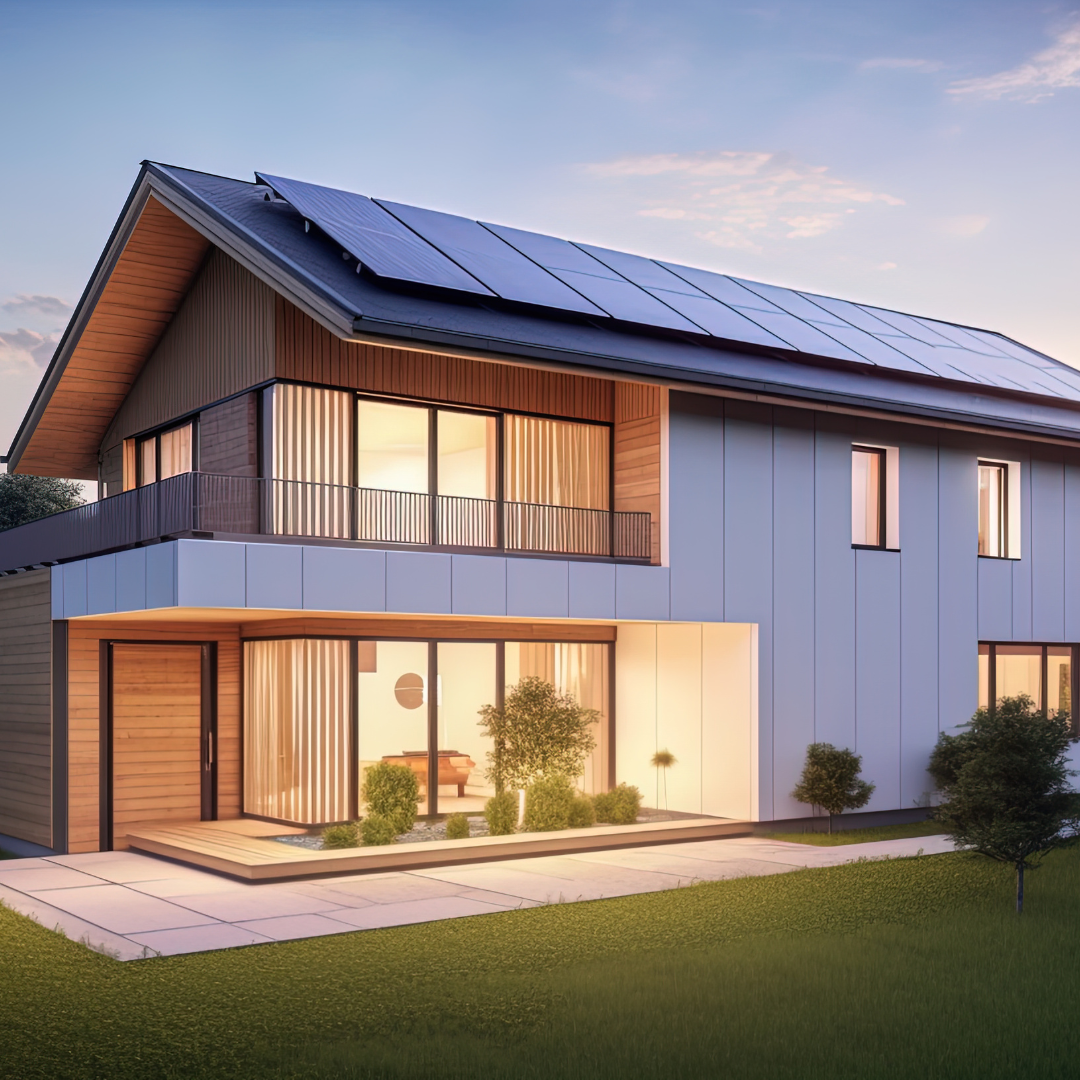
    Under the BC Energy Step Code, the province is moving new construction toward being net-zero energy ready by 2032, meaning homes efficient enough that they could run largely on renewable energy. Recent code updates have already raised the baseline efficiency of new builds, with further increases scheduled along the way to that 2032 target. The direction is clear and consistent: new homes in BC are getting tighter, better insulated, and cheaper to run.

    Why buyers care about efficiency

    Energy efficiency has moved from a nice-to-have to a real factor in buying decisions. Features such as heat pumps, upgraded insulation, efficient windows, and solar do more than lower monthly bills. They make a home more comfortable year-round and increasingly help it stand out to buyers, who often factor running costs into what they are willing to pay. As standards rise, homes that are already efficient tend to hold their appeal.

    What it means for older homes

    If you own an older home, this is not cause for alarm, but it is worth understanding. As new construction sets a higher bar, older homes that have not been updated can feel less competitive on resale. Sensible, well-chosen upgrades, made when you would be renovating anyway, help protect your home’s value and broaden its appeal when the time comes to sell. Many efficiency improvements also overlap with smart seasonal maintenance, as we cover in our guide to winterizing your Okanagan home.

    Upgrades, rebates, and resale value

    If you are considering improvements, two things help. First, rebates: CleanBC’s Better Homes program offers incentives for heat pumps, insulation, and other upgrades that can offset a meaningful share of the cost, and an EnerGuide home evaluation will show you where your home stands. Second, strategy: not every upgrade pays off equally at resale, so it is worth knowing which improvements add value before you spend, which we cover in increasing your home value before you sell. If a sale is on the horizon, our seller services include guidance on which features to highlight and which upgrades are worth making.

    Frequently asked questions

    What does net-zero energy ready mean?

    It describes a home built efficiently enough that it could meet its energy needs largely from renewable sources. BC is moving new construction toward this standard by 2032 under the Energy Step Code.

    Do energy-efficient features add value to a home?

    They increasingly do. Lower running costs, better comfort, and rising buyer awareness mean efficient features can help a home appeal to more buyers, though the return on any specific upgrade varies.

    Are there rebates for energy upgrades in BC?

    Yes. CleanBC’s Better Homes program offers rebates for heat pumps, insulation, and other improvements. An EnerGuide evaluation helps identify where upgrades will have the most impact.

    The move toward more efficient homes is steady and worth planning for, whether you are buying, upgrading, or thinking ahead to a sale. If you would like a candid read on how these changes affect your home, we are glad to help.

  • What’s Happening in Downtown Kelowna

    What’s Happening in Downtown Kelowna

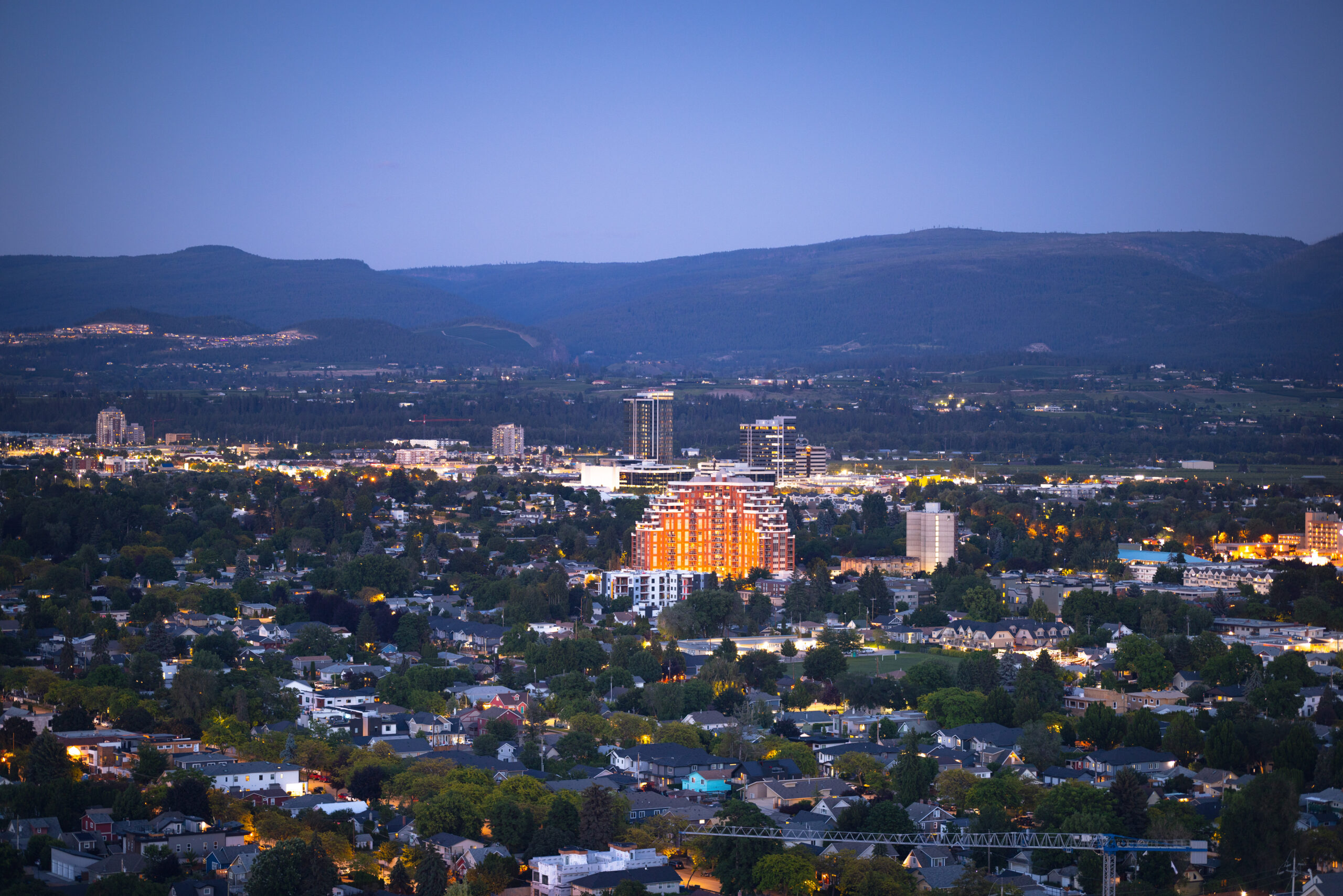
    If you have been through downtown Kelowna lately, you will have noticed the cranes. The city’s core is in the middle of a remarkable transformation, growing upward and becoming a more walkable, connected place to live, work, and spend time. Here is a look at what is driving the change and what it means for the people who call the area home.

    A downtown growing upward

    For years downtown Kelowna was low-rise. Today a wave of residential and mixed-use towers is reshaping the skyline, adding thousands of new homes within walking distance of the waterfront, the cultural district, restaurants, and offices. The shift is turning the core into a genuine urban neighbourhood rather than simply a place to visit, with more people living downtown than ever before.

    A snapshot of the projects shaping the core

    The exact lineup changes as projects break ground and complete, but the scale is easy to see. Marquee developments such as Waterstreet by the Park and a major UBC Okanagan downtown tower are bringing hundreds of residential and student-housing units each, alongside a steady mix of boutique mid-rise buildings and larger rental high-rises at various stages of approval and construction. Together they represent a substantial addition of housing to the heart of the city. Because the picture moves quickly, treat any specific list as a moment in time rather than the final shape of downtown.

    Part of Kelowna’s long-term vision

    This growth is not happening by accident. It reflects Kelowna’s 2040 Official Community Plan, the city’s long-range blueprint that directs much of the region’s growth into the urban centres rather than outward sprawl. The aim is a vibrant, walkable downtown where housing, jobs, and amenities sit close together. For anyone trying to understand where Kelowna is heading, the core is one of the clearest places to watch.

    What it means for residents and buyers

    A denser, more vibrant downtown changes the kind of lifestyle on offer here, with condo and rental living close to the lake and the city’s best amenities, and our living in Kelowna guides help you compare the areas in and around the core. It is also part of the broader growth story that draws people and investment to the region, which we cover in who lives in Kelowna and in our look at why investors choose the Okanagan. For the current numbers behind the wider market, see our Kelowna real estate market update.

    Frequently asked questions

    Why is there so much construction in downtown Kelowna?

    The city is directing much of its growth into the urban core under its 2040 Official Community Plan, encouraging denser, walkable development near the waterfront and amenities rather than outward sprawl.

    Is downtown Kelowna a good place to live?

    For people who value a walkable, urban lifestyle close to the lake, restaurants, and the cultural district, it has become increasingly appealing as more homes and amenities are added to the core.

    What is the 2040 Official Community Plan?

    It is Kelowna’s long-range planning document guiding how and where the city grows through 2040, with an emphasis on concentrating growth in urban centres like the downtown core.

    Downtown Kelowna is becoming one of the most dynamic parts of the city, and the change is far from over. If you are curious about living in the core or what the growth means for the wider market, we are always glad to help.

  • BC Step Code: What It Means for Your Home in Kelowna

    BC Step Code: What It Means for Your Home in Kelowna

    If you are building, buying, or renovating in Kelowna, the BC Step Code is worth understanding, because it is quietly changing how homes here are heated and built. In short, it is the provincial framework steering new construction toward lower energy use and lower emissions, with most new homes moving away from natural gas and toward electric systems like heat pumps. Here is what it actually means for your home.

    What is the BC Step Code?

    The BC Step Code is really two related standards. The BC Energy Step Code sets rising energy-efficiency requirements for new buildings, and the newer Zero Carbon Step Code addresses the emissions a building produces, encouraging efficient electric systems over fossil fuels. Local governments adopt these steps over time, so the exact requirement depends on where you are building in the Central Okanagan.

    The 2030 and 2032 targets

    The province has set two milestones. New construction is being steered toward net-zero-energy-ready by 2032 and zero-carbon by 2030. Net-zero-ready means a home is built to be so efficient that it is ready to produce as much energy as it uses once an owner adds something like solar panels. It is a phased rollout, not a single switch, and each step tightens the standard for new homes.

    What it means for new homes

    The practical effect is a steady move away from natural gas in new construction. As the Zero Carbon Step Code is adopted, new homes increasingly use efficient electric appliances, with heat pumps becoming the default for heating and cooling rather than a gas forced-air furnace. Many new builds will not include natural gas stoves, fireplaces, or hot water tanks, depending on the step the local government has adopted. The upside for an owner is a home that is cheaper to operate and built for where the market is heading.

    What it means for older Kelowna homes

    Most homes in Kelowna today are still heated and cooled with natural gas forced-air furnaces, and nothing requires you to change that in a home you already own. The shift is happening at the margins, through renovations and choice. The cost concern that used to come with efficient systems has eased: in many homes that have switched from gas, a heat pump has produced similar or lower energy costs, and the province offers rebates through CleanBC to help owners convert. If you are renovating, it is worth pricing a heat pump before you replace a furnace like for like.

    What it means for buyers and sellers

    Energy efficiency is slowly becoming part of how homes are valued. For buyers, a more efficient home means lower monthly operating costs and a system that will not feel dated in a few years. For sellers, an efficient home, or one that has already moved to a heat pump, is an easier story to tell as buyers grow more cost-aware. We are happy to talk through how this factors into a specific home, whether you are buying or preparing to sell. For more on where BC’s home rules are heading, see our note on future-ready BC homes.

    Frequently asked questions

    Does the BC Step Code apply to my existing home?

    No. The Step Code applies to new construction and major projects, not to homes you already own. You are free to keep your current heating system, though rebates exist if you choose to upgrade.

    Will new homes in BC still have natural gas?

    Increasingly not, depending on what step your local government has adopted. The province is steering new construction toward zero carbon by 2030, which favours electric systems like heat pumps over gas for heating, hot water, and cooking.

    Are heat pumps more expensive to run than gas?

    Not necessarily. In many homes that switched from natural gas, heat pumps have delivered similar or lower energy costs, and they provide both heating and cooling, which matters in Okanagan summers.

    What does net-zero-ready mean?

    It means a home is built to be very energy efficient and is ready to become net-zero when an owner adds renewable generation such as solar panels that produce as much energy as the home uses over a year.

    The BC Step Code is not something to worry about so much as something to understand, especially if you are building or buying new. If you would like a clear read on how it affects a particular home in Kelowna, we are glad to help.

  • Airbnb Rules in BC: What the Short-Term Rental Changes Mean

    Airbnb Rules in BC: What the Short-Term Rental Changes Mean

    If you own a condo you rent on Airbnb, or you are thinking of buying one to do so, BC’s short-term rental rules changed the math. Since May 1, 2024, the province limits where short-term rentals are allowed, and Kelowna is squarely affected. Here is what the rules say and what they mean if you are buying, selling, or holding a property in the Central Okanagan.

    What changed under BC’s short-term rental rules

    Under the provincial Short-Term Rental Accommodations Act, in communities with a population over 10,000, short-term rentals (stays under 90 days, the kind listed on Airbnb or Vrbo) are limited to a host’s principal residence, plus one secondary suite or accessory dwelling on the same property. Kelowna and West Kelowna both fall under this principal residence requirement.

    In plain terms, the era of buying a condo purely to run it as a full-time short-term rental is largely over in the city. You can still short-term rent the home you actually live in, plus one extra unit on that property, but a separate investment condo you do not live in no longer qualifies in most of Kelowna.

    What is exempt

    The principal residence requirement does not apply everywhere. Exemptions include smaller communities under 10,000 people (and not within 15 kilometres of a larger one), designated mountain and destination resort areas, and certain accommodation types that were never meant to be long-term homes, such as strata-titled hotels and fractional-ownership properties. If a property’s short-term rental income matters to you, the exemption status of that specific building and location is the first thing to confirm.

    What it means if you are buying

    Do not assume a condo can be used as a short-term rental. Before you buy with that plan, check the provincial rules, the local zoning, and the strata bylaws, which can restrict short-term rentals regardless of the provincial framework. A unit in an exempt resort property is a very different proposition from a standard downtown condo, and the difference can change the investment entirely. For the broader rental and investment picture, see our Kelowna real estate market update, and if you are weighing a condo, our guide to strata fees is worth a read.

    What it means if you are selling

    If you are selling a property that was marketed on its short-term rental potential, that selling point has narrowed in most of Kelowna. Pricing and positioning should reflect the home’s value as a residence or a long-term rental rather than its old nightly-rental income. We can help you frame it for the buyers who are actually in the market now. You can see what is currently listed among Kelowna condos for sale.

    Frequently asked questions

    Can I still Airbnb my home in Kelowna?

    Generally yes, if it is your principal residence, plus one secondary suite or accessory dwelling on the same property, and your strata bylaws and local rules allow it. A separate property you do not live in usually no longer qualifies.

    Do the rules apply to all of BC?

    The principal residence requirement applies in communities over 10,000 people, which includes Kelowna and West Kelowna. Smaller communities and designated resort areas can be exempt.

    Can a strata still ban short-term rentals?

    Yes. Strata bylaws can restrict or prohibit short-term rentals independently of the provincial rules, so always check the bylaws for the specific building.

    These rules are not the end of investing in Kelowna real estate, but they do reward doing your homework on a specific property before you buy. If you would like help confirming what is and is not allowed for a home you are considering, we are glad to walk through it with you.

  • Retiring in Kelowna, BC: What to Know

    Retiring in Kelowna, BC: What to Know

    Kelowna has long been one of Canada’s favourite places to retire, and it is easy to see why. The combination of a mild climate, the lake, an active outdoor lifestyle, and a real city’s amenities makes it well suited to a comfortable, engaged retirement. Here is an honest look at what retiring in Kelowna offers, and a few things to weigh before you make the move.

    The climate and the lifestyle

    The Okanagan has one of the mildest, sunniest climates in the country, with warm summers and gentle winters by Canadian standards. For retirees, that means more of the year spent outdoors and far less snow to manage than most of the country. Golf, wineries, walking trails, and the lake itself are all close at hand, which makes it easy to stay active and social.

    Amenities and healthcare

    Kelowna is a full city, not just a resort town, so the practical needs of retirement are well covered. It has Kelowna General Hospital and a range of medical clinics, an international airport for visiting family and travel, and the shopping, dining, and arts of a regional centre. That balance of small-city ease and real amenities is part of what keeps drawing retirees here.

    An engaged community

    Retirement is more enjoyable in a community you can be part of, and Kelowna offers plenty: clubs, volunteer opportunities, cultural events, and a steady stream of newcomers in the same stage of life. Our look at who lives in Kelowna shows how the city has grown well beyond its retirement-town roots into a mix of ages and backgrounds.

    Choosing where and how to live

    Many retirees moving to Kelowna are also rightsizing their home, trading a larger family house for something easier to maintain. The neighbourhood matters as much as the home: proximity to amenities, a single-level layout, and a lock-and-leave lifestyle are common priorities. Our guide to downsizing and finding your forever home goes deeper, and our living in Kelowna guides help you compare areas.

    Things to weigh

    No place is perfect. Summers bring tourists and traffic, the most desirable areas come at a premium, and as with anywhere, it is worth confirming that the specific services you need are convenient to where you choose to live. None of this dims the appeal for most retirees, but going in clear-eyed helps you choose the right spot.

    Frequently asked questions

    Is Kelowna a good place to retire?

    For many people, yes. The mild climate, outdoor lifestyle, city amenities, and active community make it one of Canada’s most popular retirement destinations.

    What should retirees look for in a Kelowna home?

    Common priorities are a single-level or low-maintenance layout, proximity to amenities and healthcare, and a lock-and-leave lifestyle, often pointing toward condos, townhomes, or rancher-style homes.

    Where do retirees tend to live in Kelowna?

    It varies with budget and lifestyle, from walkable areas near the lake and amenities to quieter communities a little further out. Comparing neighbourhoods is the best way to find the right fit.

    Retiring to Kelowna is a wonderful new chapter, and the right home and neighbourhood make all the difference. We are glad to help you find a place that fits the life you are looking forward to.

  • How to Winterize Your Okanagan Home

    How to Winterize Your Okanagan Home

    When the leaves turn and a crisp freshness settles over the valley, winter is not far behind. A little preparation now protects your home through the colder months and keeps your utility bills in check. The good news is that winterizing a home does not have to be complicated. A few sensible steps make your home warmer, greener, and more economical through the season. Here is how to approach it.

    Start with an efficient heating system

    The cornerstone of a winter-ready home is a heating system that runs well. Schedule an annual tune-up for your furnace and hot water heater, including a thorough inspection, cleaning, and filter change. This often-overlooked step keeps your systems operating at peak efficiency, burning cleaner and using less energy. A well-maintained system also tends to last longer and is far less likely to fail on the coldest night of the year.

    Insulate your hot water heater and pipes

    Insulating your hot water heater and any exposed pipes is one of the simplest ways to trim your energy use. Wrapping the tank and the first stretch of pipe reduces standing heat loss, and paired with a modest thermostat adjustment it can add up to real savings over a winter. It is an inexpensive, one-time job that quietly pays for itself.

    Take control with a programmable thermostat

    A programmable or smart thermostat lets you heat your home around your actual schedule rather than around the clock. Lower the temperature while you are asleep or away and have it warm up before you wake or return, all without thinking about it. Just as you manage cooling in the summer, automating your heating settings is one of the easiest ways to cut costs without giving up comfort.

    Seal leaks and add insulation

    Retaining the warmth you have created matters as much as generating it. Air leakage around doors, windows, and other gaps is one of the largest sources of heat loss in a typical home through the winter. Two steps make a real difference: install weather-stripping around doors and windows and re-caulk where the seal has failed, and add insulation in your attic and crawl spaces where heat quietly escapes. If you want a greener approach, look into cotton, cellulose, or other eco-friendly insulating products. These improvements also tend to make a home more appealing when it comes time to sell, as we cover in our guide to increasing your home value before you sell.

    Think about the bigger efficiency picture

    Winterizing is the seasonal version of a larger trend toward more efficient homes, and the standards are evolving. If you are planning upgrades or buying, it is worth understanding where things are heading, which we explore in is your home future ready. Comfort, lower bills, and a smaller footprint tend to come as a package, and the Okanagan lifestyle is easier to enjoy from a home that handles the seasons well. Our living in Kelowna guides offer more on settling into life in the valley.

    Frequently asked questions

    How do I winterize my home?

    Start with a furnace and hot water heater tune-up, insulate the tank and exposed pipes, fit a programmable thermostat, and seal air leaks with weather-stripping and fresh caulking. Adding attic and crawl-space insulation tops it off.

    When should I winterize my home in the Okanagan?

    Through the fall, before the first real cold sets in. Booking your heating tune-up early in the season also means easier scheduling and a system you can rely on once temperatures drop.

    Does winterizing actually save money?

    Yes. A well-maintained heating system, insulated water heater and pipes, a programmable thermostat, and sealed leaks all reduce the energy needed to keep your home comfortable, which shows up on your bills through the winter.

    A winter-ready home is warmer, cheaper to run, and gentler on the environment, and getting there takes only a weekend of sensible steps. Stay warm, and enjoy the season knowing your home is ready for it.

  • The Most Affordable Neighbourhoods in Kelowna

    The Most Affordable Neighbourhoods in Kelowna

    If you are buying in Kelowna on a budget, the good news is that the city is not all lakefront estates. Several neighbourhoods tend to offer more accessible price points while still putting you close to the lifestyle that brings people here. Here is a look at where buyers often find better value, and how to think about affordability across the region.

    Rutland

    On the east side of the city, Rutland has long been one of Kelowna’s more affordable and practical neighbourhoods, with a mix of housing types, established amenities, and good access across the city. It is a common entry point for first-time buyers and a steady choice for value.

    West Kelowna and Westbank

    Across the bridge, West Kelowna often offers more home for the money than comparable areas in Kelowna proper, with newer development, lake access, and a growing set of amenities. For many buyers, the short commute is a fair trade for the extra space.

    Peachland and the edges

    Smaller lakeside communities like Peachland, and outlying areas such as Ellison and Black Mountain, can offer relative value for buyers willing to trade a central location for more space, views, or a quieter setting. The further you look from the lakeshore and the core, the further your budget tends to stretch.

    How to think about affordability

    A few principles hold regardless of the month. Prices generally rise as you get closer to the lake and the central, established neighbourhoods, and ease as you move outward. Attached homes like condos and townhomes offer a more accessible entry than detached houses in almost every area; our guide to strata fees is worth reading if you go that route. Because prices shift, treat these as general patterns and check current numbers in our Kelowna real estate market update and against current listings.

    Affordability is only part of the picture

    The cheapest option is not always the best value. Commute, amenities, future growth, and how well an area fits your life all matter. It is worth weighing affordability against the most popular neighbourhoods and the areas to watch before you decide, and our living in Kelowna guides cover each area in detail.

    Frequently asked questions

    What is the most affordable neighbourhood in Kelowna?

    Areas like Rutland, parts of West Kelowna, and outlying communities tend to offer more accessible price points than the central, lakeside neighbourhoods. The most affordable choice depends on home type and current conditions.

    Is West Kelowna cheaper than Kelowna?

    Often it offers more home for the money than comparable central Kelowna areas, though it varies by neighbourhood and property type. The short commute across the bridge is the main trade-off.

    How can I buy in Kelowna on a budget?

    Consider more affordable neighbourhoods, look at condos and townhomes rather than detached homes, and check current listings against the market, since value shifts over time.

    There is a place in Kelowna for most budgets if you know where to look. If you would like help finding the best value for what you can spend, we are glad to point you in the right direction.

  • Who Lives in Kelowna? A Look at the Demographics

    Who Lives in Kelowna? A Look at the Demographics

    Who lives in Kelowna? Increasingly, the answer is “more people every year, from all over the country.” The Central Okanagan has been one of Canada’s fastest-growing regions, and understanding who is moving here, and why, tells you a lot about the community and the housing market. Here is a look at the demographics.

    A fast-growing community

    At the 2021 census, the Kelowna metropolitan area had a population of 222,162, up 14 percent from 2016. According to Statistics Canada, that made Kelowna the fastest-growing metropolitan area in the country, well ahead of the provincial average of 7.6 percent and the national average of 5.2 percent. Growth like that reshapes a city, and it explains much of the steady demand in the local market.

    Who is moving here

    Much of the growth comes from people moving in rather than from within, particularly from the Lower Mainland and Alberta. They come for the lifestyle and for more space than the coast offers at the price. The result is a community that is no longer just a retirement destination: it is a mix of families, professionals, remote workers, and retirees, drawn by the same lake-and-mountain setting for different reasons. Our look at whether Kelowna is a good place to live covers what brings them.

    Growth across the region

    The growth is not evenly spread, which is part of what makes local knowledge matter. Some communities in the Central Okanagan have grown far faster than others; Lake Country, for example, was among the fastest-growing municipalities in the country at the 2021 census. Each area has its own character and pace, which is why the right neighbourhood depends on the life you want. Our living in Kelowna guides break the region down.

    What it means for the market

    Steady population growth, driven by people choosing to move here, is one of the forces that supports home values over the long run, even through quieter months. It is also why inventory and demand can feel tight in the most sought-after areas. For how this plays out in current conditions, see our Kelowna real estate market update.

    Frequently asked questions

    What is the population of Kelowna?

    At the 2021 census, the Kelowna metropolitan area had 222,162 residents, up 14 percent from 2016, making it the fastest-growing metropolitan area in Canada at that time.

    Is Kelowna just a retirement town?

    Not anymore. While it remains popular with retirees, the community is now a mix of families, professionals, and remote workers, reflecting the range of people moving to the region.

    Why is Kelowna growing so fast?

    Most of the growth comes from people relocating, especially from the Lower Mainland and Alberta, drawn by the lifestyle and by more home for the money than the coast.

    The people moving to Kelowna are part of what makes it a strong place to own a home. If you are considering joining them, our complete relocation guide is the place to start, and we are glad to help you find your place here.