Category: Moving to Kelowna

A local guide for anyone relocating to Kelowna and the Central Okanagan. Neighbourhoods, lifestyle, and practical relocation insight to help you feel at home in the Okanagan from day one.

  • Moving to Kelowna, BC: A Complete Relocation Guide

    Moving to Kelowna, BC: A Complete Relocation Guide

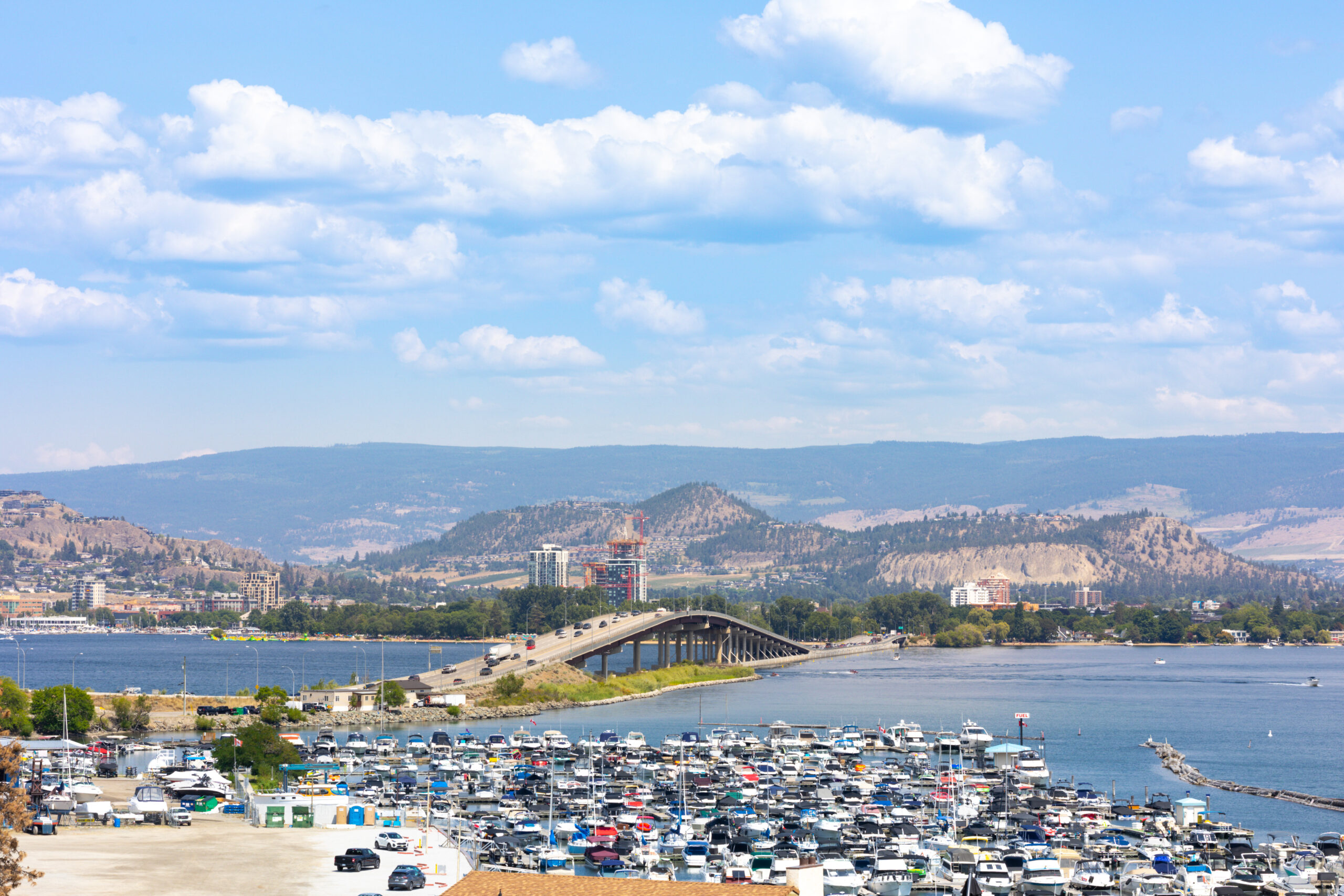
    Moving to Kelowna is one of the most popular relocations in the country, and for good reason: a lakeside setting, a milder climate than most of Canada, and a four-season outdoor lifestyle at prices below the coast. This guide covers what newcomers actually need: why people move here, where to live, what the market looks like, and how to settle in.

    Why people move to Kelowna

    Most people come for the lifestyle and the value. Kelowna sits on Okanagan Lake with beaches, wineries, golf, and skiing close at hand, and the climate is among the mildest and sunniest in the country. Compared with Vancouver or Calgary, your housing budget goes further here while the quality of life stays high, which is why so much of the demand comes from the Lower Mainland and Alberta. For the honest pros and cons, see whether Kelowna is a good place to live.

    The cost of living

    Housing is the cost that varies most. Kelowna is more affordable than Vancouver or Victoria, though not inexpensive by national standards, and your budget stretches differently across neighbourhoods and home types. Everyday costs like groceries, fuel, and insurance are broadly in line with the rest of BC. The most useful way to plan is by the specific area and home you are targeting rather than a city-wide average.

    Where to live in Kelowna

    Kelowna and the Central Okanagan are a patchwork of distinct neighbourhoods, from established family areas to lake communities and newer developments. The right fit depends on your stage of life, your budget, and whether you want to be near the water, the schools, or the wineries. Our living in Kelowna guides break the area down, including Lower Mission and Upper Mission, along with lake communities like Lake Country and West Kelowna.

    The housing market for newcomers

    Coming from a faster market, many newcomers are pleasantly surprised to find more balance here, with room to view a home twice and make a considered offer. Conditions vary by segment and season, so the current numbers are worth a look before you start: see our Kelowna real estate market update, and when you are ready, browse current Kelowna listings.

    Settling in

    If you are moving from outside BC, a few practical steps matter early, including enrolling in provincial health coverage and switching your driver’s licence within your first months; we cover the essentials in moving to British Columbia. It also helps to understand the community you are joining; our look at who lives in Kelowna covers the demographics. If you are relocating to retire or downsize, our guides to retiring in Kelowna and downsizing go deeper.

    Frequently asked questions

    Is Kelowna a good place to move to?

    For most people, yes. It offers a four-season lakeside lifestyle and more space for the money than the coast, with the trade-offs of a smaller city and busy summers.

    Is Kelowna cheaper than Vancouver?

    Generally yes. Housing is meaningfully more affordable than in Vancouver or Victoria, while the outdoor lifestyle is comparable.

    What do I need to do when I move to BC?

    Enroll in provincial health coverage, switch your driver’s licence within the first 90 days, and budget for closing costs like the Property Transfer Tax if you are buying. See our moving to British Columbia guide for the details.

    Relocating is a big step, and local guidance makes it smoother. We help newcomers find the right neighbourhood and the right home, with honest advice at every stage. When you are ready, we are glad to help.

  • Is Kelowna a Good Place to Live?

    Is Kelowna a Good Place to Live?

    Is Kelowna a good place to live? For most people who move here, the answer is yes, but the honest version is more useful than the brochure version. Kelowna offers a four-season lakeside lifestyle, a real economy, and more space for your money than the coast, with a few trade-offs worth knowing before you commit. Here is a candid look.

    The lifestyle

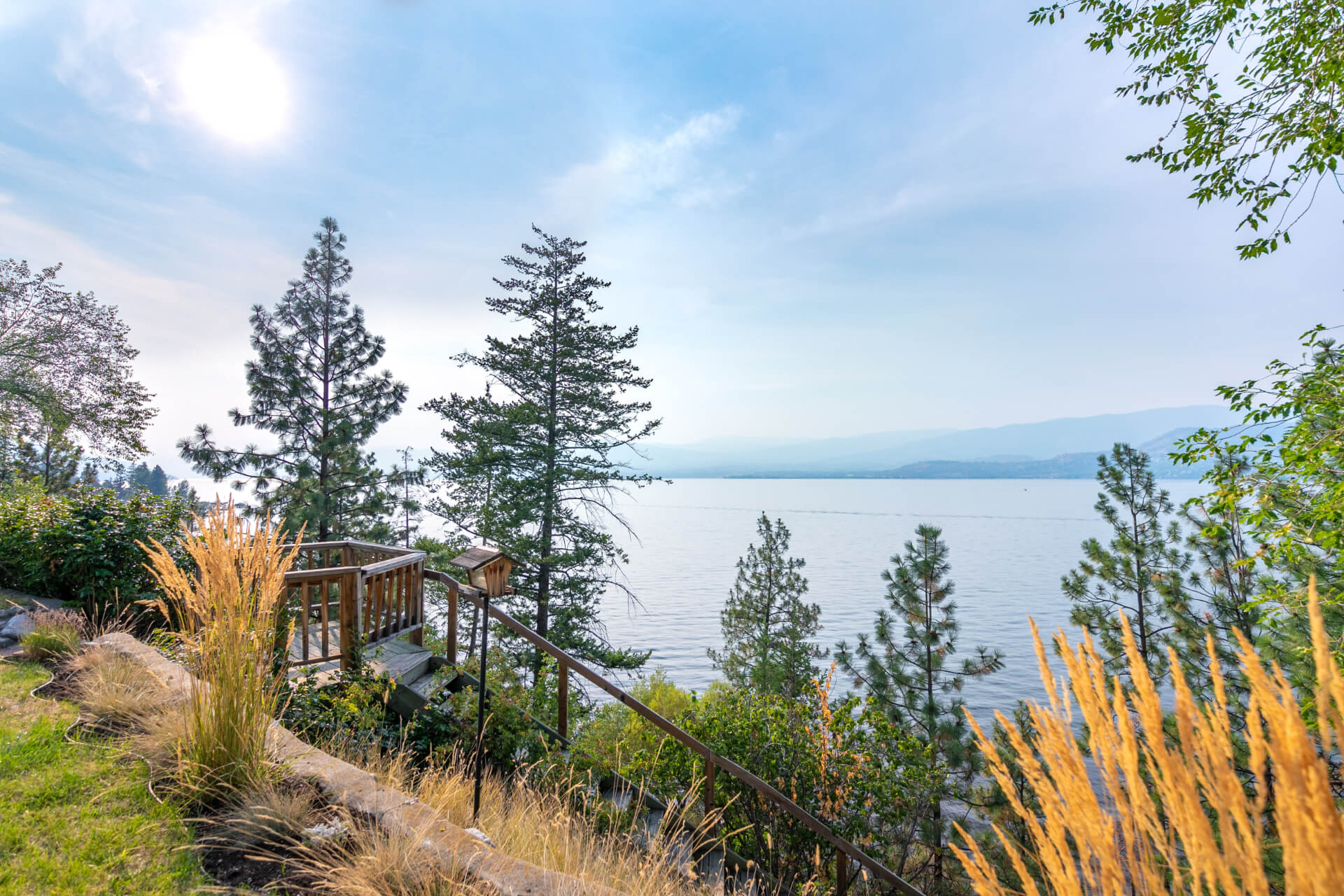
    Kelowna sits on Okanagan Lake with beaches, wineries, golf, and ski hills all within reach, and a climate that is among the mildest and sunniest in Canada. Summers are warm and long, winters are gentle compared with the prairies, and the outdoor life is genuinely year round. For people moving from colder or greyer parts of the country, the change of pace is the main reason they stay.

    The economy and getting around

    Kelowna is more than a holiday town. It has a growing technology sector, a regional hospital, the University of British Columbia’s Okanagan campus, and an international airport, which together support steady population and job growth. It is a small city, so the commute is short and the drive to a trailhead or a beach is shorter, which is a quality-of-life difference people feel quickly.

    The value compared with the coast

    Compared with Vancouver or Victoria, Kelowna offers a similar outdoor lifestyle for noticeably less, which is why so much of the demand here comes from the Lower Mainland and Alberta. You are not escaping BC prices entirely, but your budget goes further, especially once you look across the different neighbourhoods. For the current numbers, see our Kelowna real estate market update.

    The honest trade-offs

    No place is perfect. Summers bring tourists and traffic, and wildfire smoke can affect some weeks of the year. As a smaller city, the selection of jobs, schools, and services is narrower than in a major metro. None of this stops people from moving here in large numbers, but knowing it up front helps you choose the right neighbourhood and set the right expectations.

    Who tends to love it here

    Kelowna suits families wanting space and the outdoors, professionals and remote workers trading a long commute for a short one, and people relocating or retiring who want lake-country living without coastal prices. It is worth understanding the community first; our look at who lives in Kelowna covers the demographics, and our living in Kelowna guides break down the neighbourhoods.

    Frequently asked questions

    Is Kelowna a good place to live year round?

    Yes. The summers are the headline, but the mild winters and the four-season recreation are what make it work as a permanent home rather than just a vacation spot.

    Is Kelowna cheaper than Vancouver?

    Generally yes. Housing in Kelowna is meaningfully more affordable than in Vancouver or Victoria, while offering a comparable outdoor lifestyle.

    What are the downsides of living in Kelowna?

    Summer tourism and traffic, occasional wildfire smoke, and a smaller selection of jobs and services than a big city. For many people the lifestyle more than offsets these.

    If you are weighing a move, we are happy to give you a straight answer about the parts of Kelowna that fit what you are looking for. Our complete relocation guide is the place to start.

  • Moving to British Columbia: What You Need to Know

    Moving to British Columbia: What You Need to Know

    Moving to British Columbia is a bigger adjustment than moving within a province, and a little preparation goes a long way. Whether you are coming from Alberta, Ontario, or further afield, here is an honest overview of what to expect: the lifestyle, the cost, the practical steps when you arrive, and where the Okanagan fits if Kelowna is on your list.

    Why people move to British Columbia

    BC’s draw is straightforward: mild weather by Canadian standards, the ocean and the mountains within reach, and an outdoor lifestyle that runs year round. The trade-off is cost. Housing in the most popular areas is among the most expensive in the country, which is part of why so many newcomers look beyond Vancouver to the Okanagan, where the lifestyle is similar and the prices are more grounded.

    The cost of living

    Housing is the line that varies most. Vancouver and Victoria sit at the top, while the Okanagan offers lake-and-mountain living for meaningfully less. Day-to-day costs like groceries, insurance, and fuel are broadly in line with the rest of the country. The honest way to budget is by the specific region you are targeting rather than a provincial average, because the gap between Vancouver and Kelowna is large.

    Practical steps when you arrive

    A few things are worth handling early. New residents should enroll in BC’s Medical Services Plan for health coverage, and drivers moving from another province need to switch to a BC licence within the first 90 days through ICBC. The province’s official newcomer resources are the best place for current details on health, licensing, and services, since these change from time to time.

    Choosing where to live

    BC is a province of distinct regions, and the right one depends on the life you want. The Lower Mainland is urban and fast paced. Vancouver Island is milder and slower. The Okanagan, in the southern interior, offers a four-season lifestyle around the lakes, with real winters that are far gentler than the prairies. If the Okanagan appeals, our complete guide to moving to Kelowna goes deeper, and you can explore the area through our living in Kelowna guides.

    Frequently asked questions

    Is BC an expensive place to live?

    It can be, but it depends heavily on the region. The Lower Mainland and Victoria are the priciest; the Okanagan and the interior are more affordable while keeping much of the lifestyle.

    How long do I have to get a BC driver’s licence?

    New residents from another province are generally expected to switch to a BC licence within 90 days. Confirm the current process with ICBC.

    Where is the best place to live in BC?

    There is no single answer. It comes down to the balance you want between cost, climate, and lifestyle. Many people moving for space and four-season recreation at a more reasonable price look to the Okanagan.

    If your move points toward the Okanagan, we are glad to help you get your bearings, from neighbourhoods to the local market. Start with our note on whether Kelowna is a good place to live.